
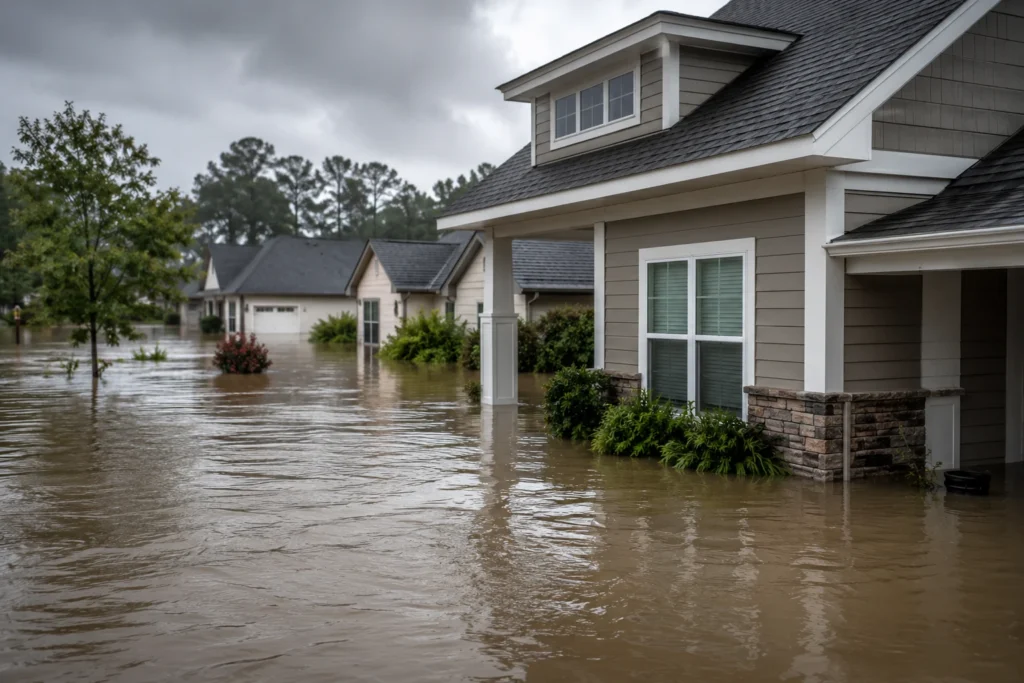
Water damage can turn an ordinary day into a stressful one in a matter of minutes. A burst pipe, overflowing appliance, or severe storm can leave homeowners facing expensive repairs and difficult insurance questions. One of the most common questions property owners ask is: Does Insurance Cover Water Damage? The answer is not always simple. Sometimes coverage applies immediately. Other times, insurers may deny part or all of a claim based on policy language, exclusions, or the source of the water. Understanding how water damage coverage works before a loss occurs can make a significant difference when it is time to file a claim.
For homeowners in Corsicana, understanding these distinctions is especially important. Water damage claims often involve substantial repair costs, hidden damage, and complex policy interpretations. Knowing what is covered and what is not can help protect your property and your finances. This guide explains when homeowners insurance typically covers water damage, when it does not, and what steps you can take to maximize your recovery.
Understanding Water Damage Insurance Coverage
Before discussing claim scenarios, it helps to understand how insurance companies define water damage. Not all water damage is treated equally. The source of the water often determines whether coverage applies.
Generally speaking, homeowners insurance is designed to cover sudden and accidental losses. Insurance is not intended to cover ongoing maintenance problems or predictable deterioration. That distinction matters. A pipe that suddenly bursts is very different from a pipe that has been leaking slowly for years.
What Is Considered Water Damage?
Water damage refers to physical damage caused by water entering areas where it should not be.
Examples include:
- Burst plumbing pipes
- Appliance supply line failures
- Water heater leaks
- Roof leaks caused by storms
- Overflowing sinks and bathtubs
- HVAC system leaks
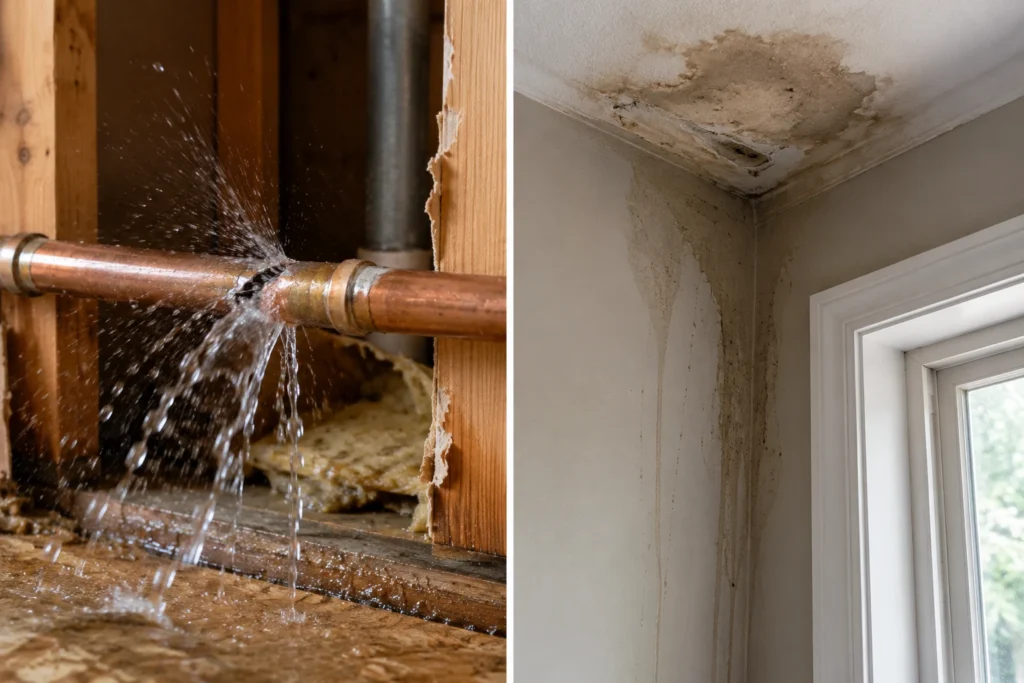
The severity can range from minor drywall staining to extensive structural damage affecting multiple rooms. In some situations, the visible damage is only the beginning. Water often travels behind walls, beneath flooring, and into insulation before becoming visible.
Why Water Damage Claims Are Frequently Disputed
Water damage may seem straightforward. It rarely is. Insurance companies investigate water losses carefully because the cause directly affects coverage. A small difference in the cause of loss can mean thousands of dollars.
For example:
- Sudden pipe burst = often covered
- Long-term leak = often denied
The challenge is that determining the actual cause often requires extensive investigation.
Inspectors may review:
- Plumbing systems
- Moisture readings
- Repair history
- Prior inspections
- Property maintenance records
The more evidence available, the stronger the claim tends to be.
When Does Homeowners Insurance Cover Water Damage?
Many homeowners ask, “Does Insurance Cover Water Damage?” because they assume all water-related losses fall under the same rules. They do not. Coverage depends largely on how the water entered the property.
Sudden and Accidental Water Damage
This is the category most policies are designed to cover. When water damage occurs unexpectedly, coverage often applies.
Examples include:
- Burst pipes
- Broken plumbing fixtures
- Appliance failures
- Water heater ruptures
Because these events occur suddenly, insurers generally classify them as covered perils.
Burst Pipe Claims
Burst pipes are among the most common covered water losses. A frozen pipe may suddenly rupture and release hundreds of gallons of water into a home.
Damage may affect:
- Drywall
- Flooring
- Cabinets
- Furniture
- Electrical systems
Most policies provide coverage for resulting damage when the event is sudden and accidental. However, insurers may investigate whether the homeowner took reasonable precautions.
Appliance Supply Line Failures
Modern homes depend on numerous water-connected appliances.
Examples include:
- Refrigerators
- Dishwashers
- Washing machines
- Water filtration systems
When supply lines fail unexpectedly, significant damage can occur in minutes. Coverage is often available when the failure is sudden.
Water Heater Failures
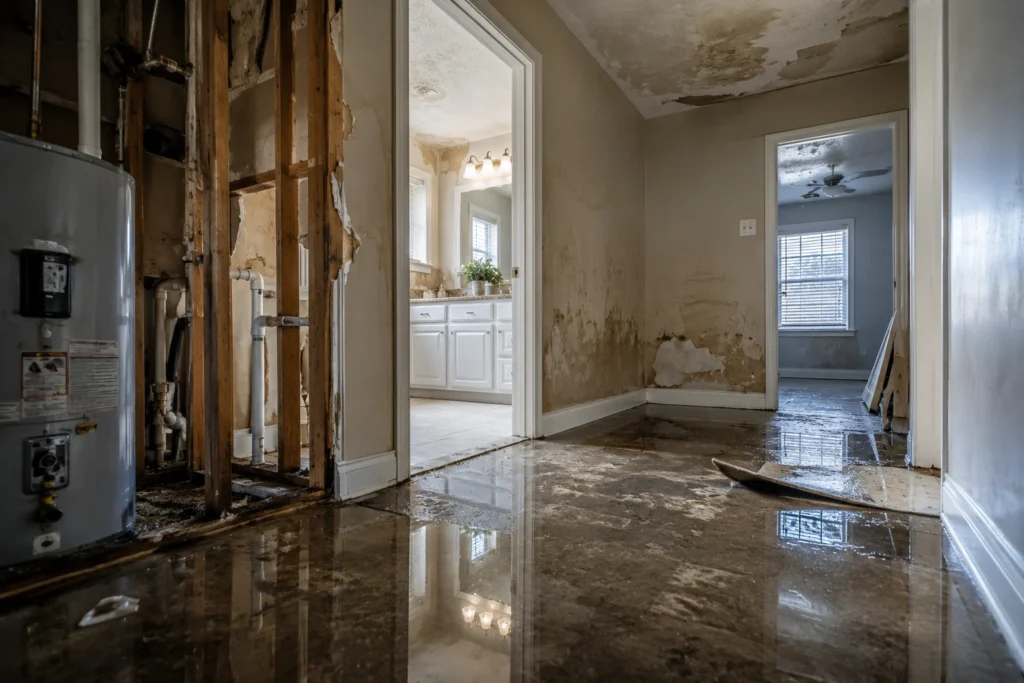
Water heaters eventually wear out. However, when a tank suddenly ruptures, homeowners insurance often covers the resulting water damage. The damaged water heater itself may not be covered, but the resulting damage to surrounding property frequently is. This distinction surprises many homeowners. Insurance often pays for the consequences rather than the failed equipment itself.
Storm-Related Water Damage
Storms create another common source of water losses.
When severe weather damages a structure and water enters through the resulting opening, coverage often applies.
Examples include:
- Wind-damaged roofs
- Missing shingles
- Storm-created openings
- Falling tree impacts
For homeowners in Corsicana, storm-related claims are particularly important. Texas weather can change quickly, and severe storms frequently bring heavy rainfall, hail, and strong winds.
Wind-Driven Rain
Wind-driven rain can create complex claim situations.
Coverage may apply when:
- Wind damages the roof first
- Rain enters through the damaged area
- Interior damage results
However, insurers may dispute claims if they believe pre-existing deterioration contributed to the loss. Documentation becomes critical.
Firefighting Water Damage
Many homeowners overlook this category. When firefighters extinguish a fire, significant water damage often follows.
Insurance policies generally cover:
- Water-soaked drywall
- Damaged flooring
- Saturated insulation
- Secondary water-related repairs
Even though water caused the damage, the loss originated from a covered fire event. As a result, coverage frequently applies. Interestingly, professionals who understand complex claim investigations often discuss concepts similar to “Fire Insurance Adjuster Secrets” when explaining how insurers evaluate secondary damage after major losses. The same principles of documentation and damage assessment frequently apply to water claims as well.
Common Water Damage Situations That Are Usually Covered
While every policy differs, several scenarios are commonly covered.
Burst Pipes During Winter
Frozen pipes remain a leading cause of residential water damage.
Coverage often includes:
- Water extraction
- Drywall replacement
- Flooring repairs
- Structural drying
Washing Machine Failures
A failed washing machine hose can release large amounts of water rapidly.
Commonly affected areas include:
- Laundry rooms
- Adjacent hallways
- Nearby bedrooms
Many policies cover resulting damage when the failure is sudden.
Water Heater Leaks
Sudden tank failures often trigger coverage for resulting property damage.
Affected materials may include:
- Flooring
- Baseboards
- Cabinets
- Personal belongings
Overflowing Fixtures
Accidental overflows may qualify for coverage.
Examples include:
- Bathtubs
- Toilets
- Sinks
The specific circumstances surrounding the overflow often influence coverage decisions.
Water Damage Coverage by Source
One of the easiest ways to understand coverage is by examining the source of water.
| Water Source | Often Covered? | Potential Challenges |
| Burst Pipe | Usually Yes | Maintenance disputes |
| Appliance Failure | Usually Yes | Cause investigation |
| Water Heater Rupture | Usually Yes | Equipment exclusions |
| Roof Damage from Storm | Often Yes | Storm verification |
| Flooding | Usually No | Separate policy needed |
| Sewer Backup | Sometimes | Endorsement required |
| Groundwater Intrusion | Usually No | Policy exclusion |
This table highlights a simple reality. The source of the water matters just as much as the damage itself.
Understanding Different Categories of Water Damage
Restoration professionals classify water losses into categories based on contamination levels.
Category 1: Clean Water
This water originates from sanitary sources.
Examples include:
- Supply lines
- Water heaters
- Freshwater plumbing
Category 1 losses are generally easier and less expensive to remediate.
Category 2: Gray Water
Gray water contains contaminants.
Sources may include:
- Washing machines
- Dishwashers
- Certain plumbing fixtures
Restoration costs often increase due to sanitation requirements.
Category 3: Black Water
Black water presents serious health concerns.
Examples include:
- Sewage backups
- Floodwater contamination
Cleanup becomes significantly more complicated. The science behind contamination assessment can become surprisingly technical. Some restoration discussions even involve concepts related to microbial ecosystems and environmental processes similar to those studied in Biogeochemistry, particularly when evaluating long-term moisture conditions and contamination pathways.
How Insurance Companies Evaluate Water Damage Claims
When a claim is reported, insurance companies begin a structured investigation.
Their goal is to determine:
- Cause of loss
- Extent of damage
- Policy coverage
- Estimated repair costs
Every conclusion influences the final settlement amount.
Initial Inspection
The first inspection often shapes the entire claim.
Adjusters typically examine:
- Visible damage
- Water sources
- Moisture migration
- Repair requirements
Photographs and measurements are commonly taken.
Determining the Cause of Loss
This step is critical. If the insurer concludes the damage resulted from a covered event, the claim moves forward. If they conclude maintenance issues caused the damage, disputes often arise. That is why thorough documentation can be invaluable.
When Insurance Typically Does Not Cover Water Damage
After learning about covered scenarios, it is equally important to understand where coverage often ends. Many homeowners are surprised when they discover that not all water damage qualifies for reimbursement. The question “Does Insurance Cover Water Damage?” frequently becomes complicated because exclusions play such a large role in claim decisions.
Flood Damage
Flooding is one of the most misunderstood insurance topics. A standard homeowners policy usually does not cover flood damage. This surprises many people because floodwater certainly causes water damage. However, insurance companies distinguish between water that originates inside the home and water that enters from outside. Flooding generally refers to water that rises from the ground and enters the property.
Examples include:
- Overflowing rivers
- Flash floods
- Storm surge
- Widespread surface water accumulation
Coverage for these events typically requires a separate flood insurance policy.
Long-Term Leaks and Neglect
Insurance is designed to cover sudden events. It is not designed to cover deferred maintenance.
Common examples include:
- Slowly leaking pipes
- Long-term roof deterioration
- Ongoing moisture intrusion
- Repeated plumbing problems
If evidence suggests the issue existed for months or years, the insurer may deny the claim. This is one of the most common reasons homeowners face coverage disputes.
Sewer Backup Exclusions
Sewer backups create significant property damage. Unfortunately, many homeowners discover after a loss that their standard policy may not include this coverage. A sewer backup endorsement is often required. Without that endorsement, coverage may be limited or unavailable.
Groundwater Intrusion
Groundwater can place tremendous pressure on foundations. Eventually, water may enter through cracks or structural openings.
Most homeowners policies exclude:
- Foundation seepage
- Groundwater intrusion
- Hydrostatic pressure-related damage
Because these conditions generally develop over time, insurers frequently classify them as excluded losses.
Mold Caused by Neglect
Mold often follows water damage. However, coverage frequently depends on how quickly the homeowner responds.
If mold develops because damage was ignored, insurers may argue:
- Delayed mitigation occurred
- Maintenance issues existed
- Reasonable steps were not taken
Prompt action can make a substantial difference.
Common Reasons Water Damage Claims Are Denied
A denial does not always mean the damage is not real. It often means the insurer believes the loss falls outside policy coverage. Understanding common denial reasons helps homeowners avoid preventable mistakes.
Insufficient Documentation
Insurance companies rely heavily on evidence. Without adequate documentation, proving the extent of damage becomes difficult.
Helpful evidence includes:
- Photographs
- Videos
- Contractor reports
- Moisture readings
- Repair estimates
The stronger the documentation, the stronger the claim.
Delayed Reporting
Time matters. The longer a claim remains unreported, the more questions arise.
Insurance companies may argue:
- Damage worsened unnecessarily
- Evidence disappeared
- Additional causes developed
Prompt reporting generally strengthens a claim.
Maintenance Allegations
Many water damage disputes center on maintenance.
Insurers may claim:
- The damage developed slowly
- Repairs were delayed
- The homeowner knew about the problem
These allegations can significantly affect settlement negotiations.
Failure to Mitigate Damage
Policyholders are typically expected to prevent additional damage after a loss occurs.
Examples include:
- Removing standing water
- Drying affected areas
- Protecting personal property
- Arranging emergency repairs
Failure to act may create additional claim complications.
Disputed Cause of Loss
Perhaps the most common dispute involves causation. The homeowner may believe a pipe burst suddenly. The insurer may believe the pipe leaked for months. That single disagreement can determine whether thousands of dollars are paid or denied.
Hidden Water Damage That Homeowners Often Miss
One of the biggest challenges in water damage claims is that not all damage is visible. In fact, some of the most expensive repairs involve hidden conditions.
Wet Insulation
Insulation absorbs moisture quickly. When it becomes saturated, problems may include:
- Reduced energy efficiency
- Mold growth
- Structural moisture retention
Replacement is often necessary.
Moisture Behind Walls
Water travels surprisingly far. It can move behind walls, beneath trim, and into structural cavities without visible signs. By the time staining appears, significant damage may already exist.
Flooring Damage
Many flooring systems conceal damage.
Affected materials may include:
- Hardwood flooring
- Laminate flooring
- Carpet padding
- Subflooring
Visible surfaces may look acceptable while hidden layers remain saturated.
Electrical Hazards
Water and electricity create obvious risks.
Damaged components may include:
- Outlets
- Wiring
- Breaker panels
- Electrical connections
Professional evaluation is often necessary.
Mold Development
Moisture creates ideal conditions for mold growth. Under favorable conditions, mold can begin developing rapidly. What begins as a small water loss can become a major remediation project.
Structural Deterioration
Wood framing, sheathing, and structural supports can absorb moisture over time.
This can result in:
- Warping
- Rot
- Reduced structural integrity
These issues frequently increase repair costs substantially.
What To Do Immediately After Water Damage Occurs
The actions taken during the first few hours can significantly affect both the claim and the repair process.
Stop the Water Source
Safety comes first.
If possible:
- Shut off water supply lines
- Turn off affected appliances
- Stop active leaks
Limiting additional damage is critical.
Document Everything
Before cleanup begins, create a thorough record.
Take photographs of:
- Damaged rooms
- Flooring
- Walls
- Personal property
- Water sources
The more evidence available, the easier it becomes to demonstrate the extent of the loss.
Create Video Documentation
Video often provides context that photographs cannot. Walk through every affected area. Narrate what you observe. Capture as much detail as possible.
Protect Undamaged Property
Move valuable items away from affected areas.
This may include:
- Furniture
- Electronics
- Important documents
- Family heirlooms
Protecting unaffected property helps reduce overall losses.
Keep All Receipts
Emergency expenses may become part of the claim.
Examples include:
- Water extraction services
- Temporary repairs
- Emergency drying equipment
- Hotel accommodations
Maintain organized records.
Schedule Professional Inspections
Independent inspections often reveal hidden conditions.
Professional assessments may identify:
- Moisture behind walls
- Wet insulation
- Structural concerns
- Mold development
These findings can strengthen claim documentation.
Tips for Maximizing a Water Damage Insurance Claim
Insurance claims are rarely won by assumptions. They are won through evidence.
Act Quickly
Delays create opportunities for disputes. Prompt action preserves evidence and demonstrates responsible property ownership.
Maintain Detailed Records
Create a claim file containing:
- Photos
- Videos
- Correspondence
- Estimates
- Receipts
- Inspection reports
Organization can make a substantial difference.
Understand Your Policy
Many homeowners never review their policies until after a loss occurs.
Take time to understand:
- Coverage limits
- Deductibles
- Exclusions
- Endorsements
Knowledge helps prevent surprises.
Obtain Independent Opinions
Insurance company evaluations are important. Independent assessments can be equally valuable. Additional inspections may identify damage that initial evaluations overlooked.
Review Settlement Offers Carefully
Not every estimate captures the full scope of damage. Before accepting a settlement:
- Review repair estimates carefully
- Confirm hidden damage has been addressed
- Verify all affected areas were included
Once repairs begin, additional issues often emerge.
Water Damage Claims in Corsicana
Every community faces unique property risks. For homeowners in Corsicana, weather and aging infrastructure can contribute to water-related losses. Heavy storms, strong winds, and seasonal weather changes frequently create conditions that lead to water intrusion.
Storm-Related Risks
Storm damage often leads to:
- Roof leaks
- Interior water intrusion
- Ceiling damage
- Wet insulation
When storms create openings in a structure, resulting water damage may qualify for coverage. Proper documentation becomes essential.
Aging Plumbing Systems
Older properties may contain:
- Aging supply lines
- Corroded plumbing
- Outdated fixtures
These systems often become more vulnerable over time. Routine inspections can help identify concerns before major losses occur.
Importance of Baseline Documentation
One of the smartest things homeowners in Corsicana can do is maintain current property records.
Helpful documentation includes:
- Exterior photographs
- Interior photographs
- Roof inspections
- Maintenance records
These records can become invaluable during a claim investigation.
When To Seek Professional Claim Assistance
Some water damage claims are straightforward. Others become highly complex. Knowing when to seek additional assistance can help protect your interests.
Signs a Claim May Be Underpaid
Potential warning signs include:
- Significant differences between estimates
- Missing repair items
- Disputed damage scope
- Hidden damage concerns
Complex Water Damage Losses
Large losses often involve:
- Multiple rooms
- Structural damage
- Mold concerns
- Extensive drying requirements
These claims frequently require detailed evaluation.
Coverage Disputes
If coverage becomes contested, additional expertise may help clarify:
- Cause of loss
- Damage scope
- Repair requirements
- Policy interpretation
Hidden Structural Damage
Water often affects areas that are not immediately visible. Independent evaluations may uncover significant damage that initial inspections missed.
Conclusion
So, does insurance cover water damage? Often, yes. But the answer depends heavily on the source of the water, the cause of the loss, and the specific language within the policy. Sudden and accidental events such as burst pipes, appliance failures, and storm-created openings are frequently covered. Flooding, long-term leaks, maintenance issues, and groundwater intrusion are commonly excluded. That distinction matters. A successful water damage claim is rarely based on assumptions. It is built on evidence, documentation, prompt action, and a clear understanding of policy coverage.
For homeowners in Corsicana, water damage can develop from plumbing failures, severe weather, roof damage, and numerous other sources. Understanding how insurance companies evaluate these claims before a loss occurs can make the process far less stressful if damage eventually happens. The bottom line is simple. When water damage occurs, move quickly. Document thoroughly. Preserve evidence. Understand your policy. And if questions arise regarding coverage, valuation, or settlement amounts, seek professional guidance before making important claim decisions. The better informed you are, the better positioned you will be to protect both your property and your financial recovery.
FAQs
In many cases, yes. Most homeowners policies cover sudden and accidental water damage caused by a burst pipe.
It may be covered if the roof was damaged by a covered event such as a storm. Long-term wear and maintenance issues are often excluded.
Typically no. Flood damage usually requires a separate flood insurance policy.
The timeframe varies by policy and state regulations. Reporting the damage as soon as possible is always recommended.
It depends on the cause of the mold. Mold resulting from a covered water loss may be covered, while mold caused by neglect often is not.
Many policies cover damage caused by a sudden washing machine hose or appliance failure. Coverage may depend on the circumstances of the loss.
Yes. Claims may be denied due to exclusions, maintenance issues, insufficient documentation, or disputes over the cause of loss.
Stop the source of water if possible, document the damage with photos and videos, and notify your insurance company promptly.
Standard policies often exclude sewer backups unless additional coverage or an endorsement has been purchased.
A second opinion can be valuable, especially for large losses, disputed claims, or situations involving hidden damage.