
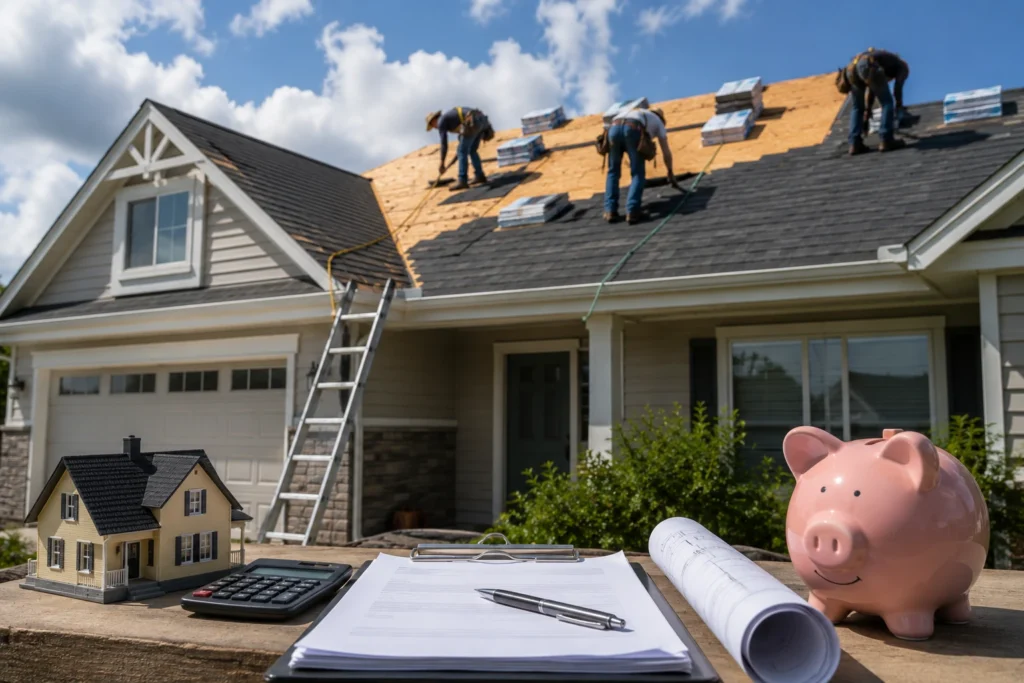
A damaged roof can trigger one of the most stressful insurance claims a homeowner will ever face. The first question most people ask is simple: will insurance pay for a full roof replacement? Unfortunately, the answer is rarely a simple yes or no. Insurance companies evaluate multiple factors before agreeing to replace an entire roof. The cause of damage, the age of the roof, policy language, local building requirements, and the extent of the loss all play a role in the final decision.
Some homeowners receive approval for a complete replacement worth tens of thousands of dollars. Others are offered only partial repairs. Some claims are denied entirely. Understanding how these decisions are made can dramatically improve your ability to navigate the claims process and protect your investment. Let’s break down exactly how roof replacement claims work and what homeowners need to know before filing.
Understanding How Roof Insurance Coverage Works
Before answering the question, “will insurance pay for a full roof replacement,” it helps to understand what homeowners insurance is designed to do. Insurance exists to cover sudden and accidental losses. It is not a maintenance program. That distinction matters. If a storm tears shingles from your roof overnight, coverage may apply. However, if a roof slowly deteriorates over twenty years due to age and neglect, insurance typically will not step in to fund replacement.
Most homeowners policies cover damage resulting from:
- Hailstorms
- Windstorms
- Fire
- Falling trees
- Lightning strikes
- Certain types of impact damage
Meanwhile, policies commonly exclude:
- Normal wear and tear
- Aging materials
- Lack of maintenance
- Construction defects
- Gradual deterioration
Consequently, determining the cause of damage becomes one of the most important aspects of any roof claim.
Roof Repair Versus Roof Replacement
Many homeowners assume that visible damage automatically means a new roof. That is not always the case. Insurance carriers generally prefer repairs whenever repairs can restore the roof to a functional condition. The key question becomes whether the roof is repairable.
Consider the following comparison:
| Scenario | Likely Outcome |
| A few missing shingles after windstorm | Repair |
| Localized tree impact | Repair or partial replacement |
| Widespread hail damage across all slopes | Full replacement |
| Extensive fire damage | Full replacement |
| Structural roof deck damage | Full replacement |
The larger and more widespread the damage, the more likely insurance will pay for a full roof replacement. However, every claim remains unique.
Situations Where Insurance May Pay for a Full Roof Replacement
Certain events increase the likelihood of complete roof replacement approval. Let’s examine the most common examples.
Severe Hail Damage
Hail is one of the leading causes of roof replacement claims throughout Texas. Unlike visible wind damage, hail often creates problems that are not immediately obvious from the ground.
Large hailstones can:
- Fracture shingles
- Dislodge protective granules
- Crack tiles
- Damage metal roofing systems
- Shorten roof lifespan significantly
When hail damage becomes widespread, isolated repairs may not solve the problem. Instead, insurers may determine that the entire roofing system requires replacement. This is particularly common when damage appears on multiple roof elevations.
Wind Damage
Strong winds create more destruction than many homeowners realize.
Wind can:
- Lift shingles
- Break seal strips
- Expose underlayment
- Damage flashing
- Create pathways for water intrusion
Sometimes only a small section is affected. Other times entire roofing systems become compromised. When repairs cannot restore the roof’s integrity, replacement may become necessary. The extent of damage often determines the outcome.
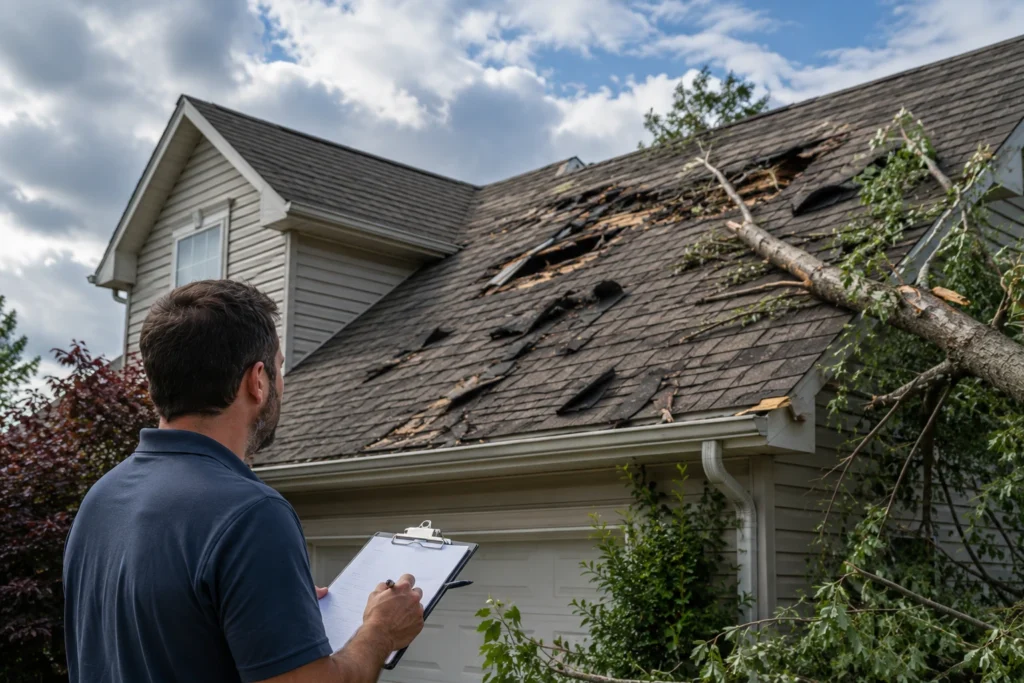
Falling Trees and Impact Damage
Storm-related tree impacts can cause immediate and severe destruction.
A large branch striking a roof may create:
- Structural damage
- Decking failures
- Water intrusion
- Safety hazards
In these situations, insurers frequently approve replacement of affected sections. If damage extends throughout the structure, full replacement becomes increasingly likely. Prompt documentation becomes critical. Photographs taken immediately after the event often provide powerful evidence during the claims process.
Fire Damage
Fire-related roof claims can become especially complex. Flames may directly damage roofing materials. Heat can weaken structural components. Smoke residue may penetrate roofing systems in ways that are not immediately visible. As a result, replacement often becomes the safest option. In fact, many discussions involving Fire Insurance Adjuster Secrets center around understanding how insurers evaluate hidden structural damage after significant fire events. The reality is simple. Visible damage is only part of the story.
Situations Where Insurance May Not Pay for a Full Roof Replacement
Understanding claim denials is equally important. Many homeowners become frustrated because they misunderstand policy limitations.
Normal Aging
Every roof has a lifespan. Eventually, materials wear out. Insurance companies generally view aging as a maintenance issue rather than a covered loss.
For example:
| Roofing Material | Approximate Lifespan |
| Asphalt Shingles | 20–30 Years |
| Architectural Shingles | 25–40 Years |
| Metal Roofing | 40–70 Years |
| Tile Roofing | 50+ Years |
If deterioration results primarily from age, coverage may not apply.
Deferred Maintenance
Small problems often become expensive problems. A minor leak ignored for years can eventually cause substantial interior damage. Unfortunately, insurance carriers frequently deny claims when evidence suggests the homeowner failed to maintain the property.
Examples include:
- Repeated unresolved leaks
- Missing shingles left unrepaired
- Damaged flashing
- Neglected storm damage
Regular inspections can prevent many disputes.
Improper Installation
Sometimes the problem starts before the roof ever faces a storm. Installation mistakes can create vulnerabilities that eventually lead to failure.
Examples include:
- Improper nailing patterns
- Inadequate ventilation
- Incorrect flashing installation
- Manufacturer specification violations
Insurance generally does not cover workmanship issues. Instead, responsibility may rest with contractors, builders, or manufacturers.
Cosmetic Damage Exclusions
Some policies specifically exclude cosmetic damage. This means appearance alone may not justify replacement.
For example:
- Minor dents on metal roofing
- Surface blemishes
- Aesthetic discoloration
If functionality remains intact, replacement approval may become difficult. Policy language matters greatly in these situations.
How Insurance Companies Decide Whether to Replace a Roof
Many homeowners imagine adjusters simply climb a ladder and make a quick decision. The reality is far more involved.
The Inspection Process
A typical roof claim often follows these steps:
- Damage occurs.
- Homeowner reports claim.
- Insurance assigns adjuster.
- Roof inspection occurs.
- Damage assessment is prepared.
- Coverage determination is made.
This process sounds straightforward. However, disputes frequently arise during inspection.
Factors Adjusters Evaluate
Several factors influence replacement decisions.
Extent of Damage
The percentage of affected roofing material matters significantly. Widespread damage generally supports replacement. Localized damage may support repair.
Roof Age
Older roofs often create additional challenges.
Adjusters may evaluate:
- Remaining useful life
- Prior repairs
- Existing deterioration
Age alone does not eliminate coverage, but it frequently becomes part of the discussion.
Repairability
This is often the biggest issue. Can damaged sections be repaired without compromising performance? If yes, repair may be approved. If no, replacement becomes more likely.
Building Code Requirements
Modern building codes sometimes require additional work beyond basic repairs.
For example:
- Updated underlayment requirements
- Ice and water shield installation
- Ventilation upgrades
- Structural improvements
These code-related expenses can significantly increase claim values.
The Role of Engineering Reports
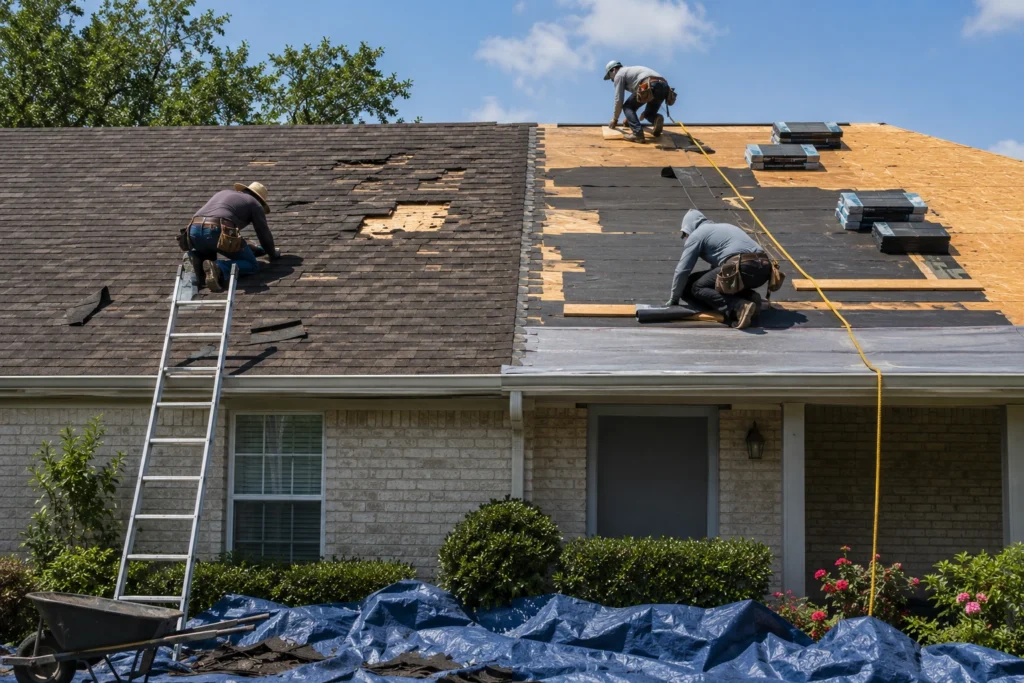
Complex claims sometimes involve independent engineers.
Insurance companies may retain engineers when:
- Damage cause is disputed
- Structural concerns exist
- High-dollar claims are involved
Engineering reports often address questions such as:
- Was damage caused by wind?
- Was damage caused by hail?
- Is deterioration age-related?
- Can repairs restore functionality?
These findings frequently influence claim outcomes. Because of this, homeowners should carefully review all engineering conclusions and compare them with contractor assessments.
Understanding Matching Problems
One overlooked issue can dramatically impact claim decisions. Matching. Imagine a roof installed fifteen years ago. The manufacturer no longer produces the original shingles. A storm damages one section. Replacement shingles are unavailable.
Now what? This situation occurs regularly. In many cases, insurers must consider whether repairs would create a visibly mismatched appearance. Certain circumstances make partial repairs impractical. When matching materials cannot be obtained, replacement discussions often become more serious. This issue can be especially important in neighborhoods where property appearance affects value.
Why Discontinued Materials Complicate Claims
Roofing manufacturers constantly update product lines. Colors change. Profiles change. Production methods change. As a result, finding an exact match years later may be impossible.
An interesting example of how complex manufacturing and classification systems evolve over time can be seen in the Wikipedia article on Taxonomy, where categories and classifications change as industries and knowledge develop. Roofing products often follow a similar pattern, making exact material matching difficult after years have passed.
When materials become discontinued, insurers, contractors, and homeowners often disagree regarding the best solution. Consequently, documentation becomes increasingly important. Photos, contractor reports, and manufacturer correspondence can all strengthen the homeowner’s position.
Actual Cash Value Versus Replacement Cost Coverage
Not all policies pay claims the same way. This is one of the most misunderstood aspects of roof insurance. Two homeowners may experience identical damage and receive dramatically different settlements. Why? The answer often comes down to policy type.
Actual Cash Value Coverage
Actual Cash Value (ACV) policies account for depreciation. Simply put, the older the roof, the lower the payment may be.
For example:
- Replacement cost: $20,000
- Depreciation: $8,000
- Claim payment: $12,000
The homeowner may be responsible for the difference. That can create a substantial financial burden.
Replacement Cost Coverage
Replacement Cost Value (RCV) coverage works differently. Instead of paying only the depreciated value, the insurer may ultimately pay the cost necessary to replace the damaged roof with comparable materials.
A typical process looks like this:
| Step | Description |
| Initial Payment | Actual cash value payment issued |
| Roof Replacement Completed | Contractor completes work |
| Documentation Submitted | Invoices and proof of completion provided |
| Depreciation Released | Remaining covered amount paid |
This coverage often provides significantly greater financial protection. However, homeowners should understand that replacement cost benefits frequently require completing repairs before receiving the full amount.
Why Policy Type Matters
When asking, “will insurance pay for a full roof replacement,” one of the first things to review is the declarations page of the policy.
Key questions include:
- Is the roof covered under ACV or RCV?
- Are there roof-specific endorsements?
- Does the policy contain cosmetic damage exclusions?
- Are code upgrades included?
These details can dramatically affect claim outcomes. A few minutes spent reviewing coverage can prevent major surprises later.
Common Reasons Roof Replacement Claims Are Denied
Even legitimate roof damage does not guarantee approval. Insurance carriers deny claims every day. Understanding why helps homeowners avoid common mistakes.
Insufficient Documentation
Evidence drives insurance decisions. Without strong documentation, proving the extent of damage becomes difficult.
Helpful evidence includes:
- Photographs
- Videos
- Inspection reports
- Contractor evaluations
- Weather data
- Repair estimates
The stronger the documentation, the stronger the claim. Many denied claims could have been avoided with better evidence collection immediately after the loss.
Delayed Reporting
Time matters. The longer homeowners wait to report damage, the more questions arise.
Insurance companies may argue:
- Additional deterioration occurred after the event.
- Damage resulted from another cause.
- The homeowner failed to mitigate losses.
Prompt reporting often strengthens credibility. Waiting months or years can create unnecessary obstacles.
Disputes Over Cause of Damage
One of the most common claim disagreements involves causation. The homeowner may believe a recent storm caused damage.
The insurer may argue the damage resulted from:
- Age
- Wear and tear
- Poor maintenance
- Installation defects
This disagreement frequently determines whether insurance will pay for a full roof replacement. The challenge is proving what actually happened. Professional inspections often become crucial during these disputes.
Coverage Exclusions
Even when damage is real, coverage limitations may apply.
Examples include:
- Cosmetic exclusions
- Wind exclusions
- Roof payment schedules
- Specific endorsement restrictions
Reading policy language carefully is essential. Many homeowners focus only on premiums and deductibles while overlooking coverage details that become critical during claims.
Steps Homeowners Should Take After Roof Damage
The actions taken during the first few days after a loss can significantly influence the final outcome. Let’s look at the most important steps.
Prioritize Safety First
Never climb onto a damaged roof immediately after a storm. Safety comes first.
Potential hazards include:
- Unstable surfaces
- Electrical dangers
- Hidden structural damage
- Wet roofing materials
Instead, perform a visual inspection from the ground whenever possible. Professional inspections can follow later.
Document Everything
This step cannot be overstated. Take photographs before making repairs. Take videos. Take more photographs. Then take additional photographs.
Capture:
- Missing shingles
- Impact marks
- Fallen trees
- Interior water damage
- Gutters
- Downspouts
- Flashing damage
Documentation often becomes the foundation of the entire claim.
Prevent Additional Damage
Insurance policies typically require reasonable mitigation efforts. That means homeowners should take steps to prevent further damage.
Examples include:
- Emergency tarping
- Temporary leak protection
- Debris removal
- Water extraction
Keep all receipts. These expenses may become reimbursable.
Maintain Detailed Records
Organization matters. Create a dedicated claim file containing:
- Photographs
- Inspection reports
- Emails
- Claim numbers
- Contractor estimates
- Receipts
The more organized the file, the easier it becomes to support your position.
What Happens When a Full Roof Replacement Is Approved?
Receiving approval is a major milestone. However, several important steps remain.
Review the Settlement Carefully
Never assume the insurance estimate is perfect. Review every line item.
Look for:
- Missing materials
- Incorrect measurements
- Incomplete labor calculations
- Omitted code upgrades
Even approved claims can contain errors. Careful review protects against underpayment.
Compare Contractor Estimates
Obtaining multiple estimates often provides valuable perspective.
Focus on:
| Consideration | Why It Matters |
| Experience | Better workmanship |
| Licensing | Compliance and accountability |
| Insurance | Protection during construction |
| Reputation | Reduced risk |
| Detailed Scope | More accurate comparison |
The lowest bid is not always the best option. Quality matters.
Complete the Work Properly
A roof replacement represents a major investment.
Therefore, homeowners should verify:
- Materials match approved specifications
- Installation follows manufacturer guidelines
- Permits are obtained when required
- Final inspections occur
Shortcuts today can create problems tomorrow.
Recovering Depreciation
For replacement cost policies, the final payment often arrives after work is completed.
Typically, homeowners must submit:
- Final invoices
- Proof of payment
- Completion documentation
Failure to complete these steps can delay recovery of depreciation. Understanding the process beforehand helps avoid frustration.
What Happens If Replacement Is Refused?
Not every claim ends with approval. Some claims receive partial payments. Others are denied completely. Fortunately, homeowners still have options.
Request a Reinspection
New evidence can sometimes change an insurer’s position. Examples include:
- Additional photographs
- Contractor reports
- Weather documentation
- Expert evaluations
Reinspections occasionally lead to revised decisions. Persistence matters.
Obtain Independent Assessments
Independent experts may provide valuable insight. These professionals can include:
- Roofing contractors
- Engineers
- Building consultants
- Public adjusters
An independent evaluation often identifies issues overlooked during the initial inspection.
Understand the Scope of the Dispute
Sometimes disagreements involve coverage. Other times they involve pricing. Occasionally they involve both. Identifying the actual source of disagreement helps homeowners focus their efforts more effectively.
Roof Claims in Corsicana: What Local Homeowners Should Know
Storm activity remains a significant concern for many Texas property owners. That includes homeowners in Corsicana. Windstorms, hail events, and severe weather systems can all create conditions that lead to major roofing claims. As a result, understanding local risks becomes an important part of protecting your property.
Weather Risks That Frequently Affect Roofs
Texas weather can be unpredictable. A roof may appear perfectly healthy one day and suffer substantial damage the next.
Common threats include:
- Hailstorms
- Straight-line winds
- Thunderstorms
- Falling trees
- Wind-driven debris
These events frequently trigger questions about whether insurance will pay for a full roof replacement. The answer ultimately depends on the extent of damage and policy coverage.
Why Documentation Is Especially Important
Homeowners in Corsicana often face intense seasonal storms that can affect entire neighborhoods. When widespread storm activity occurs, insurance carriers may receive hundreds or even thousands of claims. Consequently, strong documentation helps individual claims stand out.
Helpful evidence includes:
- Timestamped photographs
- Weather reports
- Contractor inspections
- Drone imagery
- Maintenance records
The more evidence available, the easier it becomes to establish the scope of damage.
When Professional Assistance May Help
Some claims become complicated.
For example:
- Damage is obvious but replacement is denied.
- Repair estimates seem too low.
- Matching issues create disputes.
- Engineers and contractors disagree.
Under these circumstances, many property owners in Corsicana choose to seek professional guidance to better understand their options and ensure the claim receives a thorough review.
The Financial Impact of Delaying a Roof Claim
Many homeowners postpone action because the roof is not actively leaking. That can be a costly mistake. Damage often worsens over time. Small issues can become major expenses.
Consider the progression:
| Stage | Potential Result |
| Initial Storm Damage | Limited repairs |
| Delayed Inspection | Hidden deterioration |
| Water Intrusion Begins | Interior damage |
| Mold Development | Additional remediation |
| Structural Damage | Significantly higher costs |
The sooner damage is documented and evaluated, the better positioned homeowners typically are. Prompt action protects both the property and the claim.
Key Questions to Ask Before Filing a Roof Claim
Before contacting the insurance company, consider asking:
- What caused the damage?
- When did the damage occur?
- Is the roof currently leaking?
- Do photographs exist?
- Has a contractor inspected the roof?
- What deductible applies?
- Does the policy provide replacement cost coverage?
These questions help establish a clearer understanding of the situation before the claim process begins.Preparation often leads to better outcomes.
Final Thoughts
So, will insurance pay for a full roof replacement? Sometimes yes. Sometimes no. The determining factors almost always come back to the same issues: the cause of damage, the extent of loss, policy language, documentation quality, and the ability to demonstrate that repairs alone cannot restore the roof to a functional condition.
When storm damage is widespread, replacement becomes more likely. When deterioration results from age, neglect, or excluded causes, coverage becomes less likely. The good news is that homeowners are not powerless during the claims process. By documenting damage immediately, preserving evidence, understanding policy provisions, and carefully reviewing insurer decisions, property owners can place themselves in a much stronger position. A roof protects everything beneath it. That makes understanding your insurance coverage one of the most valuable investments you can make long before the next storm arrives.
FAQs
Insurance may pay for a full roof replacement if the storm caused significant covered damage that cannot be effectively repaired.
An older roof can still be covered if damage results from a covered event, although age may affect claim payments depending on the policy.
Insurers evaluate the extent of damage, repairability, roof age, material availability, and applicable building code requirements.
It depends on the cause and extent of the damage. Storm-related shingle loss is often covered, while wear and tear usually is not.
Actual Cash Value deducts depreciation from the settlement, while Replacement Cost coverage can reimburse the full replacement cost after repairs are completed.
Age alone does not automatically result in denial, but insurers may deny claims if deterioration or wear and tear caused the damage.
A professional roof inspection can help identify damage, provide documentation, and support your claim before the insurer conducts its inspection.
When matching materials cannot be found, insurers may need to consider broader replacement options depending on policy terms and local regulations.
Deadlines vary by policy and state law, but homeowners should report damage as soon as possible to avoid complications.
A public adjuster can review the claim, evaluate damages, and help negotiate with the insurance company on behalf of the policyholder.