

When a severe hailstorm rolls through North Texas, homeowners often find themselves facing a long list of questions. The roof may be damaged. Gutters could be dented. Water might begin finding its way inside the home. Suddenly, understanding the hail damage claim timeline in Corsicana, TX becomes incredibly important.
Unfortunately, many property owners assume filing a claim is as simple as making a phone call and waiting for a check. In reality, the process involves multiple stages, inspections, evaluations, negotiations, and repairs. Some claims move quickly. Others can take months. The good news? Knowing what to expect can dramatically reduce stress and help you avoid costly mistakes. This guide walks through every stage of the hail damage claim timeline in Corsicana, TX, from the moment the storm hits until the final insurance payment arrives.
Understanding Hail Damage in Texas
Texas consistently ranks among the states with the highest number of hailstorms each year. That isn’t surprising. Large hail events routinely impact homes, businesses, vehicles, and commercial properties throughout the region.
In communities like Corsicana, severe storms can develop rapidly. One afternoon of hail can create thousands of dollars in damage before homeowners even realize what happened. The challenge is that hail damage isn’t always obvious. Some impacts are easy to spot. Others hide beneath the surface.
Common Types of Hail Damage
After a hailstorm, insurers typically investigate damage involving:
- Asphalt shingles
- Metal roofing systems
- Gutters and downspouts
- Siding
- Skylights
- Window screens
- HVAC equipment
- Exterior paint finishes
Many homeowners focus exclusively on the roof. That can be a mistake. Damage to other property components often contributes significantly to claim values.
Hidden Damage Can Become Expensive
Some hail impacts create immediate problems. Others take months to reveal themselves.
Examples include:
- Granule loss on shingles
- Bruised roofing materials
- Cracked sealants
- Damaged flashing
- Slow moisture infiltration
In some cases, what appears to be minor cosmetic damage develops into a much larger repair issue later. That is why timely inspections matter.
Day 0: The Storm Hits
The claim timeline begins the moment the hailstorm ends. Many homeowners understandably want to inspect everything immediately. Take a moment first. Safety comes before documentation.
Secure the Property
Before doing anything else:
- Check for downed power lines
- Watch for broken glass
- Look for structural hazards
- Avoid climbing onto the roof
Even experienced contractors use caution after severe storms. Wet roofs become extremely dangerous.
Document Everything
Once conditions are safe, begin collecting evidence. This step is often overlooked. Yet it can become one of the most important parts of the entire claim.
Take photographs of:
- Roof damage visible from the ground
- Dented gutters
- Damaged siding
- Broken windows
- Water intrusion
- Fallen tree limbs
Record videos as well. Videos provide valuable context that photographs sometimes miss.
Preserve Supporting Evidence
Keep records of:
- Weather reports
- Storm alerts
- Local news coverage
- Emergency repair receipts
Strong documentation creates a stronger claim. Simple as that.
Days 1–3: Conducting the Initial Inspection
The first few days after the storm often determine how smoothly the remainder of the claim proceeds. Prompt action matters.
Perform a Ground-Level Assessment
Walk around the property.
Look for obvious warning signs such as:
- Dents in gutters
- Damaged fencing
- Impact marks on siding
- Cracked window screens
- Roofing debris on the ground
These indicators often suggest more significant roof damage above.
Schedule a Professional Inspection
Many forms of hail damage cannot be accurately identified from ground level.
Professional inspections help uncover:
- Shingle bruising
- Granule displacement
- Impact fractures
- Vent damage
- Flashing deterioration
A thorough inspection provides clarity before the insurance company becomes involved. That can make a major difference later.
Common Mistakes During This Stage
Unfortunately, homeowners frequently make avoidable mistakes. Some of the most common include:
| Mistake | Potential Consequence |
| Waiting several weeks | Evidence may deteriorate |
| Making permanent repairs | Damage documentation may disappear |
| Discarding damaged materials | Reduced claim support |
| Failing to photograph damage | Coverage disputes |
Avoiding these mistakes can save significant time and frustration.
Days 3–7: Filing the Insurance Claim
After damage has been documented and inspected, the next step is reporting the loss. Timing matters. Most insurance policies require prompt notification.
Contact the Insurance Company
When filing a claim, insurers typically request:
- Policy information
- Date of loss
- Description of damage
- Photographs
- Contact information
Be factual. Be concise. Stick to observable facts rather than speculation.
What Happens Next?
After submission, the insurer generally assigns:
- A claim number
- A claim representative
- An adjuster
The claim officially enters the investigation stage. This marks a major milestone in the hail damage claim timeline in Corsicana, TX.
Understanding Expectations
Many homeowners expect immediate answers. That rarely happens. Insurance companies must evaluate damage before determining coverage and payment amounts. Patience becomes important here. However, patience should never mean inactivity. Continue gathering documentation while the claim moves forward.
Week 1–2: The Insurance Adjuster Inspection
Soon after the claim is filed, the insurance company schedules an inspection. This is one of the most important events in the entire process.
What the Adjuster Looks For
The adjuster evaluates:
- Roof damage
- Exterior elevations
- Gutters
- Windows
- Mechanical equipment
- Interior water intrusion
Their findings heavily influence the insurance estimate.
Attend the Inspection
Whenever possible, be present. Homeowners know their property better than anyone else. You may notice issues that the adjuster overlooks.
Point out:
- Areas with leaks
- Recent storm impacts
- Previous inspection findings
- Damage documented immediately after the storm
The goal is ensuring a complete assessment.
Why Independent Representation Can Help
Insurance adjusters work for insurance companies. Their role is to evaluate claims on behalf of the carrier. Public adjusters, by contrast, represent policyholders. This distinction becomes important when claim disputes arise.
Many homeowners researching The Truth About Public Adjusters discover that public adjusters often assist with documentation, estimate reviews, policy interpretation, and settlement negotiations. That support can become especially valuable during larger losses.
Week 2–4: Estimate Preparation and Claim Evaluation
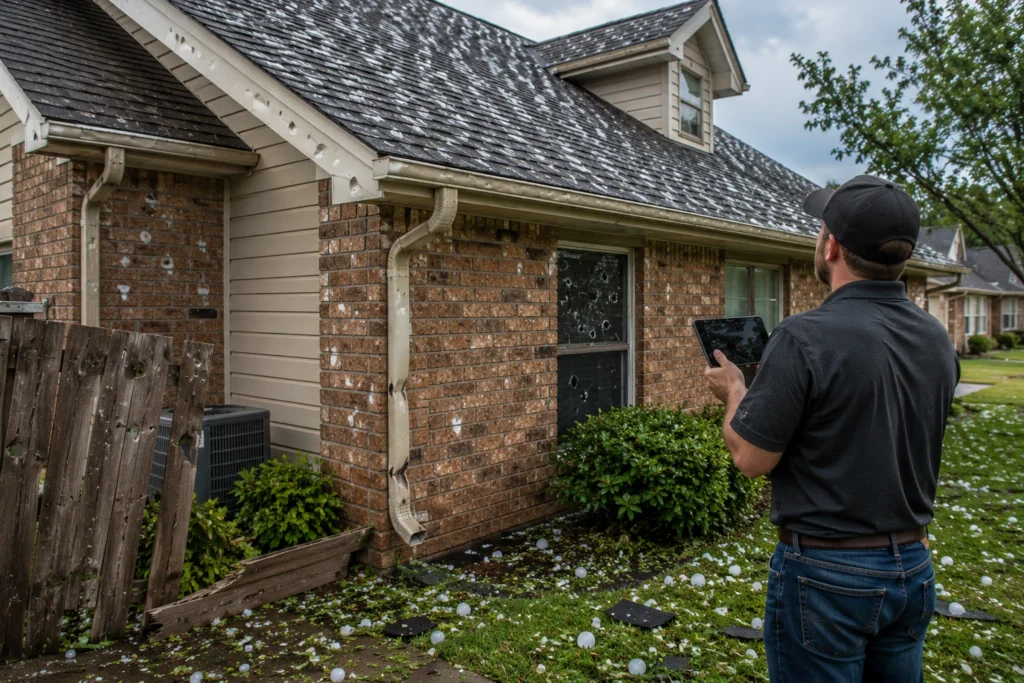
Once inspections are completed, the insurance company begins evaluating damages. This stage often feels slow. In reality, significant analysis occurs behind the scenes.
Building the Insurance Estimate
The insurer typically prepares a detailed scope that includes:
- Damaged materials
- Repair quantities
- Labor costs
- Material pricing
- Depreciation calculations
The resulting estimate becomes the foundation of the settlement offer.
Why Estimates Sometimes Fall Short
Insurance estimates are not always perfect.
Common issues include:
- Missed roof slopes
- Incomplete measurements
- Overlooked accessories
- Underestimated labor
- Missing code requirements
Even small omissions can significantly affect claim values.
Review Every Detail
When the estimate arrives, compare it carefully against inspection findings.
Look for:
- Missing damage items
- Incorrect measurements
- Incomplete repairs
- Excessive depreciation
A detailed review often uncovers opportunities for supplemental claims later.
Month 1–2: The Settlement Offer Arrives
This is the stage many homeowners have been waiting for. The insurance company presents its payment determination. At first glance, the process seems complete. In reality, it may only be halfway finished.
Understanding Claim Payments
Most property policies involve one of two valuation methods:
| Settlement Type | Description |
| Actual Cash Value (ACV) | Replacement cost minus depreciation |
| Replacement Cost Value (RCV) | Cost to replace damaged property with comparable materials |
Many homeowners initially receive an ACV payment. Additional funds may become available after repairs are completed.
The First Offer May Not Be Final
This surprises many people. Insurance settlements frequently change. Additional damage often appears during repairs.
Contractors may uncover:
- Hidden water intrusion
- Decking damage
- Ventilation issues
- Structural concerns
When this occurs, supplemental claims may be submitted for additional compensation.
Questions Worth Asking
Before accepting any settlement, consider:
- Does the estimate include all storm-related damage?
- Are local building code requirements included?
- Is depreciation recoverable?
- Are all affected structures addressed?
These questions can prevent expensive surprises later.
Month 2–3: The Negotiation Phase
Not every claim reaches a fair resolution immediately. In fact, many do not. This is where negotiations often begin. Some homeowners discover their estimate does not fully reflect the actual cost of restoring the property. Others encounter partial denials or disputed damage assessments. While disagreements can be frustrating, they are not uncommon.
When Negotiations Become Necessary
Several situations frequently trigger additional discussions with the insurance company:
- Repair costs exceed the original estimate
- Portions of damage were omitted
- Coverage questions arise
- Contractors identify additional storm-related damage
- Building code upgrades were not included
The important thing is remaining organized. Documentation drives successful negotiations.
Supporting a Supplemental Claim
A supplemental claim requests additional funds after new information becomes available.
Helpful supporting evidence includes:
- Contractor reports
- Engineering evaluations
- Updated photographs
- Material pricing documentation
- Additional repair estimates
The stronger the evidence, the stronger the position. Many successful supplemental claims are built on detailed records gathered throughout the project.
Why Documentation Wins Arguments
Insurance decisions are driven by evidence. Not assumptions. Not opinions. Evidence. That is why homeowners should continue documenting every stage of the restoration process. Take photographs before repairs begin. Take photographs during repairs. Take photographs after repairs are completed. A complete visual record can become invaluable.
Month 2–4: Repair and Restoration Work Begins
Once funding becomes available, the focus shifts toward restoring the property. This stage is exciting. It also requires careful planning.
Choosing the Right Contractor
After major storms, contractors often flood affected communities. Some are reputable. Others are not.
Before signing any agreement:
- Verify licensing requirements
- Check insurance coverage
- Review references
- Confirm local experience
- Obtain written estimates
Storm-related fraud increases after severe weather events. Taking time to vet contractors can prevent significant problems later.
Avoid Storm-Chasing Contractors
Homeowners should be cautious of contractors who:
- Demand large upfront payments
- Pressure immediate decisions
- Offer unusually low pricing
- Arrive unsolicited after storms
Quality contractors rarely need aggressive sales tactics. Their reputation usually speaks for itself.
Repair Scheduling Challenges
Even approved claims may face delays. Several factors can affect scheduling:
| Factor | Potential Impact |
| High claim volume | Longer contractor wait times |
| Material shortages | Delayed deliveries |
| Labor demand | Extended project schedules |
| Weather interruptions | Work stoppages |
Following a major storm event, patience often becomes necessary. The good contractors tend to be busy.
Maintain Records During Repairs
Many homeowners stop documenting once repairs begin. That is a mistake.
Continue saving:
- Receipts
- Invoices
- Material orders
- Work authorizations
- Progress photographs
These records may be required when requesting recoverable depreciation or additional payments.
Final Payment and Claim Closure
As repairs near completion, the claim enters its final stage. This does not happen automatically. Several steps typically remain.
Understanding Recoverable Depreciation
Many replacement cost policies initially withhold a portion of the settlement. This amount is known as recoverable depreciation. Once repairs are completed and documentation is submitted, insurers may release the remaining funds.
Required documentation often includes:
- Final invoices
- Contractor receipts
- Proof of completed work
- Completion photographs
Without proper documentation, some funds may never be released.
Final Inspections
In some situations, insurers conduct a final review. The purpose is straightforward. They want confirmation that approved repairs were completed.
This review may involve:
- Photographs
- Contractor documentation
- Physical inspections
Providing requested information promptly can help avoid delays.
Closing the Claim
Once all payments are issued, the claim is generally closed. However, homeowners should keep records for several years.
Store copies of:
- Estimates
- Correspondence
- Inspection reports
- Payment records
- Repair contracts
Future buyers, contractors, or insurers may request this information later.
Factors That Can Delay a Hail Damage Claim
While some claims move smoothly, others encounter obstacles. Understanding potential delays helps homeowners set realistic expectations. Large-scale weather events create uncertainty for insurers, contractors, and property owners alike. Researchers often use models known as stochastic processes to study unpredictable events such as storm frequency and claim volume trends.
Major Storm Events
Large hailstorms often affect thousands of properties simultaneously. The result? Insurance carriers become overwhelmed. Adjusters become overloaded. Inspection schedules lengthen. Settlement timelines stretch. This is especially common after widespread Texas hail events.
Incomplete Documentation
Missing information slows everything.
Examples include:
- Missing photographs
- Missing invoices
- Unclear damage records
- Incomplete repair estimates
The more organized the claim file, the faster decisions can typically be made.
Coverage Disputes
Occasionally, disagreements arise regarding:
- Cause of damage
- Pre-existing conditions
- Maintenance concerns
- Policy exclusions
These disputes often extend claim timelines significantly.
Contractor Delays
Even fully approved claims can stall if contractors cannot begin work. After severe storms, demand for roofing contractors often exceeds available labor. This creates unavoidable scheduling bottlenecks.
How Long Does a Hail Damage Claim Usually Take in Corsicana, TX?
Every claim is unique. However, most follow a fairly predictable timeline.
Typical Hail Damage Claim Timeline
| Stage | Average Time |
| Initial Inspection | 1–3 Days |
| Claim Filing | 1 Day |
| Adjuster Inspection | 1–2 Weeks |
| Estimate Review | 1–3 Weeks |
| Settlement Offer | 2–6 Weeks |
| Negotiations (If Needed) | 2–8 Weeks |
| Repairs | 2–12 Weeks |
| Final Payment | After Completion |
Simple claims may conclude within a month. Complex claims can extend several months. The key takeaway? The hail damage claim timeline in Corsicana, TX depends heavily on documentation quality, storm severity, contractor availability, and claim complexity.
Unique Challenges Facing Property Owners in Corsicana
Every region experiences weather differently. Corsicana is no exception.
Severe Weather Patterns
North Texas frequently experiences:
- Large hail events
- Wind-driven storms
- Rapid weather changes
- Seasonal severe weather outbreaks
These conditions create recurring property risks. As a result, homeowners in Corsicana often become familiar with insurance claims sooner than they would like.
Roofing Systems Under Pressure
Many homes in the area rely on asphalt shingles. These systems perform well under normal conditions. However, repeated hail exposure can shorten lifespan and accelerate deterioration. Even seemingly minor impacts may weaken roofing materials over time.
Secondary Damage Risks
One of the biggest threats following a hailstorm is delayed water intrusion.
Small openings can allow moisture to enter:
- Attics
- Insulation
- Wall cavities
- Ceiling assemblies
The longer damage goes undetected, the more expensive repairs become. That is why rapid inspections matter.
How Homeowners Can Speed Up the Claim Process
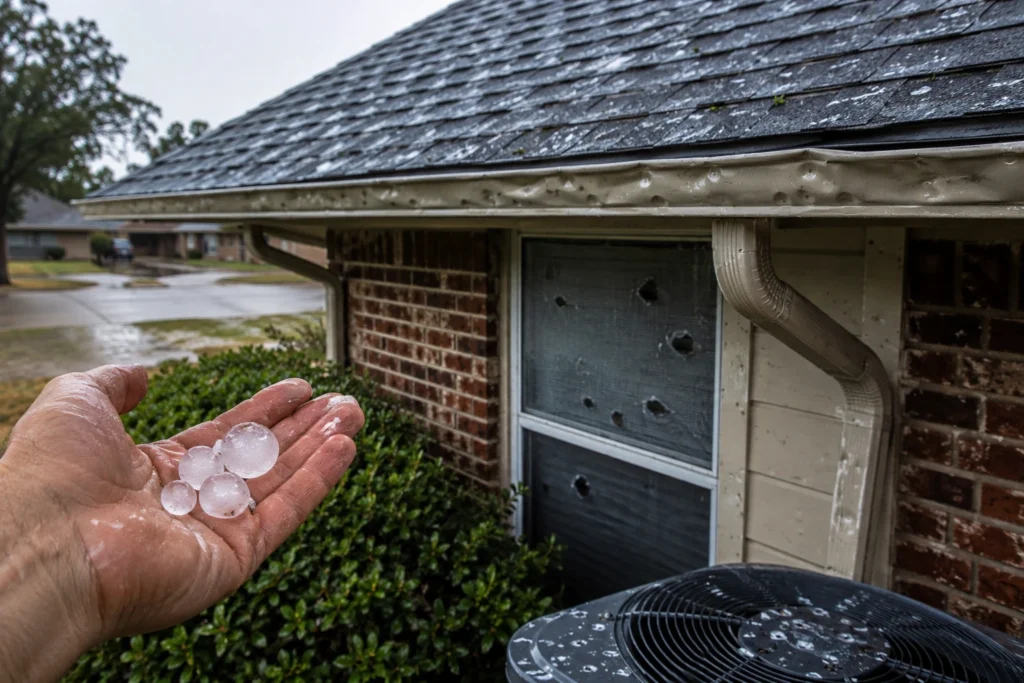
While some delays are unavoidable, homeowners can take specific actions to help move claims forward.
Report Damage Immediately
Prompt reporting demonstrates diligence. It also helps preserve evidence while conditions remain fresh. Waiting months introduces unnecessary complications.
Take More Photos Than You Think You Need
Most people underestimate documentation requirements. Take photographs from multiple angles. Capture close-ups. Capture wide shots. Document everything.
Create a Claim Journal
Maintain a record of every interaction.
Include:
- Dates
- Times
- Names
- Phone numbers
- Discussion summaries
This simple habit can prevent confusion later.
Save Every Receipt
Expenses often accumulate quickly after storm damage.
Examples include:
- Emergency tarping
- Temporary repairs
- Water mitigation
- Hotel stays if necessary
Save every receipt. You may need them later.
Respond Quickly to Requests
Insurance companies frequently request documentation. Delays in responding can slow claim progress. Prompt communication helps maintain momentum.
Obtain Independent Damage Assessments
Independent evaluations often provide valuable insight. They may identify issues overlooked during initial inspections. That additional information can strengthen claim outcomes.
When Should You Hire a Public Adjuster?
Not every claim requires professional representation. However, some situations clearly benefit from additional support.
Consider Professional Assistance When:
- A claim has been denied
- Settlement offers seem inadequate
- Damage is extensive
- Multiple structures are involved
- Coverage disputes arise
Complex claims often require more detailed analysis.
What Public Adjusters Actually Do
Many homeowners misunderstand the role.
Public adjusters generally assist with:
- Damage documentation
- Policy review
- Claim preparation
- Evidence gathering
- Settlement negotiations
Their focus is representing the policyholder rather than the insurance company.
Potential Benefits
While outcomes vary, many property owners seek assistance because they want:
- Better claim organization
- Professional documentation
- Reduced administrative burden
- Stronger negotiation support
For larger losses, those advantages can be significant.
Why Fast Action Matters in Corsicana
Storm damage rarely improves with time. Unfortunately, many homeowners delay inspections because visible damage appears minor. That delay can become costly.
Small hail impacts often evolve into larger problems involving:
- Roof leaks
- Interior staining
- Mold growth
- Structural deterioration
Early action protects both the property and the claim. For homeowners navigating the hail damage claim timeline in Corsicana, TX, speed and documentation are often the two most valuable tools available.
Final Thoughts
Navigating a hail insurance claim can feel overwhelming at first. There are inspections. There are estimates. There are settlement discussions, repairs, invoices, and deadlines. Yet understanding the hail damage claim timeline in Corsicana, TX transforms the process from confusing to manageable. The most successful claims usually have several things in common. They are reported quickly. They are thoroughly documented. They are supported by strong evidence. And they remain organized from start to finish.
Whether your claim resolves in a few weeks or several months, preparation can dramatically influence the outcome. For homeowners in Corsicana, taking immediate action after a hailstorm, documenting every detail, and understanding each stage of the process can help protect one of your most valuable investments. As you move through the claim process, remember that knowledge is power. The more you understand about the hail damage claim timeline in Corsicana, TX, the better positioned you will be to make informed decisions, avoid unnecessary delays, and pursue a fair settlement for your storm-related losses.
FAQs
Most straightforward claims are resolved within 30 to 90 days, while complex claims involving disputes or supplemental damages can take several months.
You should report hail damage as soon as possible after discovering it to preserve evidence and avoid potential coverage complications.
Yes. Hail can cause bruising, granule loss, and other hidden damage that may not be visible from the ground but can lead to future leaks.
Document all visible damage with photos and videos, make temporary repairs if necessary, and schedule a professional inspection.
Yes. Claims may be denied if the insurer believes the damage is unrelated to the storm, resulted from wear and tear, or falls outside policy coverage.
Recoverable depreciation is the portion of your settlement withheld until repairs are completed and proof of the work is submitted.
A professional inspection can help identify damage and provide documentation that supports your claim before the insurance adjuster arrives.
Additional storm-related damage can often be submitted as a supplemental claim for further review and potential compensation.
In most cases, yes. Homeowners generally have the right to select the contractor they trust rather than using one suggested by the insurance company.
You may want to consider a public adjuster if your claim is denied, underpaid, unusually complex, or involves substantial property damage.