
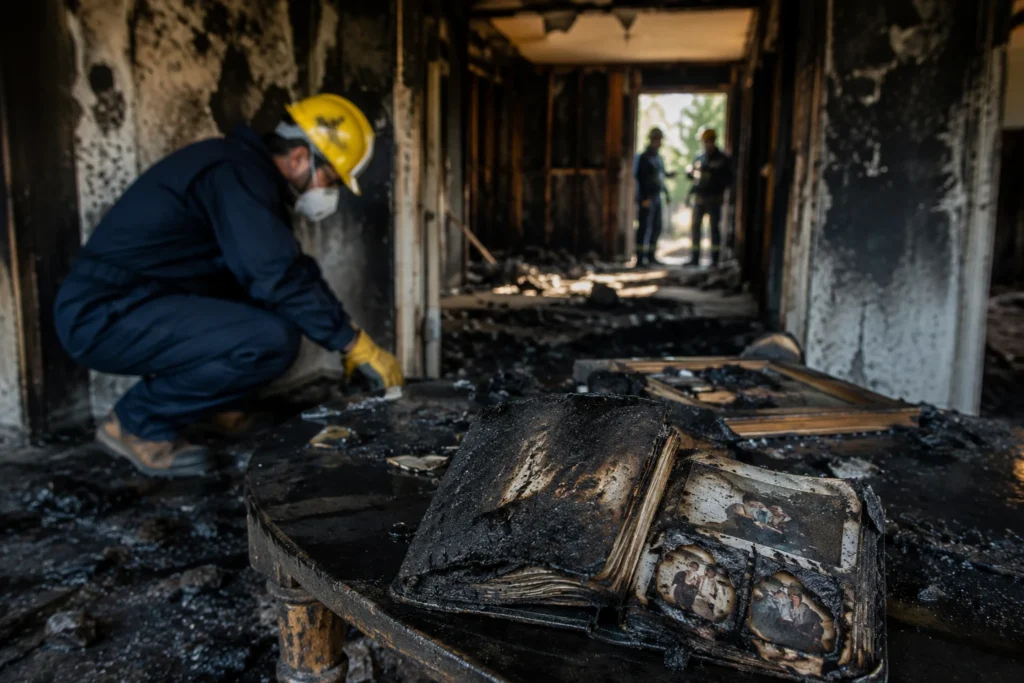
Smoke damage has a way of hiding in plain sight. One glance at a soot-covered wall might convince you that the damage is limited to a single room. However, the reality is often very different. Smoke can travel through vents, settle inside insulation, contaminate furniture, and leave odors that linger for months. That is exactly why understanding How to Document Smoke Damage for Insurance is so important. The strength of your insurance claim often depends on the quality of your documentation. The more evidence you gather, the harder it becomes for an insurance company to overlook or undervalue legitimate damage.
For homeowners in Corsicana, smoke damage claims can become complicated quickly. Fires may be contained to one area, yet smoke frequently affects the entire structure. Therefore, documenting every visible and hidden sign of damage before cleanup begins is one of the smartest decisions you can make. A successful claim is rarely built on opinions. It is built on evidence. The following guide explains exactly how to collect that evidence and protect your financial interests after a fire or smoke event.
Understanding Smoke Damage and Why Documentation Matters
Many people focus exclusively on fire damage. Smoke damage deserves equal attention. In fact, smoke often impacts a larger portion of a property than the flames themselves.
What Is Smoke Damage?
Smoke damage includes more than black stains on walls.
It may involve:
- Soot deposits
- Smoke odors
- Discoloration
- Corrosion of metal surfaces
- HVAC contamination
- Damaged electronics
- Air quality issues
- Contaminated personal belongings
Smoke particles are incredibly small. As a result, they can infiltrate areas that appear untouched. Cabinets. Closets. Air ducts. Insulation. Even sealed containers may be affected. Because many forms of smoke damage are not immediately obvious, proper documentation becomes essential.
Why Insurance Companies Require Documentation
Insurance carriers need evidence before paying claims.
Their adjusters are responsible for determining:
- Cause of loss
- Extent of damage
- Scope of repairs
- Replacement costs
- Claim value
Without documentation, proving these elements becomes significantly harder. Think of your documentation as your case file. Every photograph, video, receipt, and report contributes to the story your claim tells.
How Poor Documentation Leads to Smaller Settlements
Unfortunately, many property owners start cleaning immediately. That mistake can be expensive. Once evidence disappears, proving the original condition becomes difficult.
Common problems include:
| Documentation Mistake | Potential Consequence |
| No photographs | Damage may be disputed |
| Incomplete inventory | Missing reimbursement |
| No contractor reports | Hidden damage overlooked |
| Lost receipts | Additional expenses denied |
| Limited videos | Reduced evidence of scope |
The lesson is simple. Document first. Clean later.
Safety Comes Before Documentation
Before grabbing your phone and taking photographs, make sure the property is safe. This step cannot be skipped.
Wait for Official Clearance
Fire-damaged structures may contain:
- Weak flooring
- Damaged roofing
- Exposed wiring
- Hazardous debris
- Toxic residues
Always obtain approval from emergency responders or qualified professionals before entering.
Wear Proper Protective Equipment
Smoke residue can irritate the lungs and skin.
At minimum, consider using:
- N95 or respirator mask
- Safety glasses
- Gloves
- Long sleeves
- Closed-toe shoes
Even brief exposure may create health concerns.
Resist the Urge to Start Cleaning
This can be difficult. Most homeowners want to restore order immediately. However, every stain, soot mark, and damaged item represents evidence. Removing it prematurely may weaken your claim. Insurance companies should see the property as close to its post-loss condition as possible.
Begin Photographing Immediately
If I could give one piece of advice after a smoke loss, it would be this: Take more photographs than you think you need. Then take more.
Start With Wide-Angle Images
Begin by documenting the overall condition of every room.
Capture:
- Entire walls
- Ceilings
- Floors
- Hallways
- Entryways
- Staircases
These photos establish context. They help demonstrate how smoke traveled throughout the structure.
Take Detailed Close-Ups
After wide shots, focus on specific damage.
Photograph:
- Soot buildup
- Burn marks
- Smoke staining
- Damaged finishes
- Discolored ceilings
- Smoke residue on appliances
Get close enough to show details clearly. The goal is to make damage impossible to ignore.
Photograph Every Room
Do not assume unaffected rooms are irrelevant. They matter. Smoke often migrates into areas far from the fire source.
Document:
- Bedrooms
- Bathrooms
- Kitchens
- Garages
- Utility rooms
- Attics
- Closets
Comprehensive documentation paints a complete picture.
Include Exterior Areas
Smoke damage is not always confined indoors.
Photograph:
- Roof vents
- Exterior walls
- Windows
- Soffits
- Outdoor furniture
Exterior evidence may help demonstrate the intensity and spread of the event.
Use Time-Stamped Images
Modern smartphones automatically record timestamps.
These timestamps help establish:
- Date of loss
- Timeline of damage
- Sequence of events
Strong timelines strengthen claims.
Create a Complete Video Walkthrough
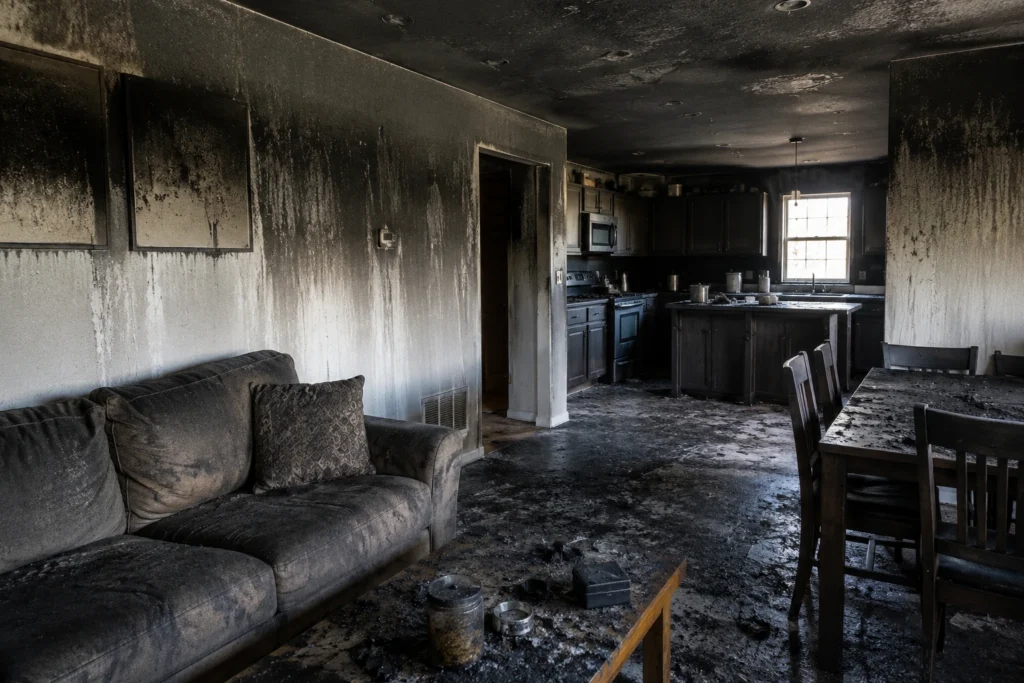
Photos are powerful. Videos add another layer of proof.
Why Video Matters
A video walkthrough captures relationships between damaged areas that still images sometimes miss.
For example:
A photograph may show soot on a wall. A video may reveal that soot extends throughout the entire hallway, ceiling, and adjacent rooms.
That additional context matters.
How to Record an Effective Walkthrough
Move slowly. Narrate what you see.
Explain:
- Where the fire occurred
- Areas affected by smoke
- Visible residue
- Strong odors
- Damaged belongings
The audio narration can become valuable evidence later.
Areas Commonly Missed During Documentation
Many homeowners focus only on living spaces.
Do not overlook:
- Attics
- Crawl spaces
- HVAC equipment
- Storage rooms
- Basements
- Mechanical rooms
Smoke frequently accumulates in these overlooked areas.
Document Personal Property Damage
One of the largest portions of many claims involves contents. Unfortunately, it is also one of the most disputed.
Build a Room-by-Room Inventory
Organization is critical. Work through the property one room at a time.
Living Room
Document:
- Sofas
- Chairs
- Televisions
- Sound systems
- Artwork
- Rugs
Kitchen
Document:
- Appliances
- Small electronics
- Cabinets
- Food items
- Cookware
Bedrooms
Document:
- Mattresses
- Clothing
- Electronics
- Furniture
- Personal valuables
Garage
Document:
- Tools
- Equipment
- Sports gear
- Storage items
A structured inventory reduces the risk of overlooking valuable property.
Record Key Information for Every Item
Whenever possible, include:
| Information | Example |
| Item Description | Leather sectional sofa |
| Brand | Ashley Furniture |
| Model Number | Manufacturer reference |
| Purchase Date | Month and year |
| Original Cost | Purchase amount |
| Replacement Cost | Current market value |
The more information you provide, the stronger your position becomes.
Prove Ownership Whenever Possible
Insurance companies often request proof.
Helpful documents include:
- Receipts
- Credit card statements
- Warranty registrations
- Product manuals
- Online purchase histories
- Family photographs
Many people forget that old family photos often capture furniture, electronics, and personal belongings in the background. Those images can become valuable evidence.
Hidden Smoke Damage Can Be the Most Expensive
Visible damage gets attention. Hidden damage often costs more.
That is why learning How to Document Smoke Damage for Insurance goes beyond taking pictures of blackened walls. You must look deeper.
HVAC System Contamination
Your HVAC system can spread smoke throughout an entire building.
Document:
- Air handlers
- Ductwork
- Filters
- Registers
- Returns
Smoke particles frequently settle throughout the system. Without proper cleaning, odors may persist indefinitely.
Insulation Damage
Insulation absorbs smoke surprisingly well. Once contaminated, odors can become trapped inside wall cavities and attics. Photographs and professional inspection reports help establish this hidden damage.
Electronics Damage
Smoke residue can damage sensitive electronics through corrosion.
Affected items may include:
- Computers
- Televisions
- Gaming systems
- Smart home devices
These losses are often overlooked during initial inspections.
Cabinet Interiors and Hidden Surfaces
Open everything. Cabinets. Closets. Drawers. Storage bins. Smoke often settles in locations that appear clean from the outside.
Obtain Professional Inspections
At some point, photographs and videos reach their limits. That is where professional inspections become extremely valuable. A qualified expert can identify damage that most homeowners would never recognize. More importantly, their findings often carry significant weight during the claim process.
Fire Restoration Contractors
Restoration contractors specialize in evaluating smoke and soot contamination.
They can identify:
- Areas requiring cleaning
- Materials requiring replacement
- Hidden contamination
- Odor sources
Their reports help establish the true scope of the loss.
Smoke Remediation Specialists
Smoke remediation is not the same as ordinary cleaning. Specialists use equipment and testing methods designed to locate contamination throughout a structure. Their findings often reveal damage that standard inspections miss.
Industrial Hygienists
For severe losses, industrial hygienists may conduct air quality testing.
These professionals evaluate:
- Airborne particles
- Surface contamination
- Indoor environmental conditions
Their reports can strengthen claims involving lingering smoke exposure and indoor air quality concerns.
Independent Assessments Create Stronger Claims
Insurance companies typically rely on their own inspections. There is nothing wrong with obtaining independent evaluations as well. In fact, many property owners discover substantial differences between the insurance company’s assessment and independent findings. The stronger the evidence, the stronger the claim.
Save Every Expense Related to Smoke Damage
Many homeowners focus exclusively on structural damage. That is a mistake. Additional expenses can add up quickly after a fire. Keep receipts for everything.
Emergency Mitigation Costs
Immediately after a loss, you may need:
- Board-up services
- Emergency tarping
- Temporary fencing
- Security measures
These costs are often claim-related.
Cleaning Expenses
Smoke cleanup frequently requires:
- Specialized cleaning products
- Professional cleaning services
- Laundry services
- Odor removal treatments
Save every invoice.
Temporary Housing Costs
If the property becomes uninhabitable, you may incur:
- Hotel expenses
- Rental housing costs
- Additional transportation expenses
Most homeowners policies contain provisions addressing these types of expenses.
Food and Daily Living Costs
Living away from home can increase everyday expenses.
Examples include:
- Restaurant meals
- Laundry services
- Pet boarding
- Parking fees
Documentation is critical. A small receipt today may become reimbursable tomorrow.
Create a Dedicated Claim Folder
I always recommend keeping everything in one location.
Store:
- Photos
- Videos
- Receipts
- Estimates
- Emails
- Inspection reports
Digital organization makes claim management much easier.
Maintain a Detailed Claim Journal
One of the most overlooked claim tools costs absolutely nothing. A notebook. Or a digital document.
Record Every Conversation
After each discussion, note:
- Date
- Time
- Person’s name
- Company
- Topics discussed
Memory fades.
Written records do not.
Track Adjuster Visits
Document:
- Inspection dates
- Areas reviewed
- Comments made
- Promises provided
These notes can become important later if disagreements arise.
Save All Emails and Letters
Communication creates a timeline. That timeline often becomes valuable during negotiations. Never assume someone else is keeping complete records. Keep your own.
Why a Claim Journal Matters
A detailed journal demonstrates organization and credibility. It also helps prevent misunderstandings. When disputes arise, documentation frequently becomes the deciding factor.
Common Smoke Damage Claim Disputes
Unfortunately, smoke damage claims are not always straightforward. Several issues appear repeatedly. Understanding them helps homeowners prepare.
“Cleaning Is Enough”
This is one of the most common disagreements. An insurer may conclude that cleaning will solve the problem. However, some materials cannot be fully restored.
Examples include:
- Porous insulation
- Certain fabrics
- Smoke-saturated drywall
- Damaged electronics
Proper documentation and expert opinions help determine whether cleaning or replacement is appropriate.
Hidden Damage Is Ignored
Smoke often travels far beyond visible areas. Without thorough inspections, contamination may go undetected.
Commonly overlooked areas include:
- Attics
- Wall cavities
- HVAC systems
- Crawl spaces
When hidden damage is not documented, it may not be included in the settlement.
Odor Damage Is Minimized
Smoke odors are not simply inconveniences.
Persistent odors can affect:
- Comfort
- Property value
- Habitability
Yet odor-related damage is frequently disputed because it cannot always be photographed. Professional evaluations become particularly important in these situations.
Personal Property Is Undervalued
Contents claims often involve hundreds of individual items. Without detailed inventories, property may be:
- Omitted
- Undervalued
- Improperly categorized
The more detailed your inventory, the stronger your position becomes.
How Public Adjusters Help Document Smoke Damage
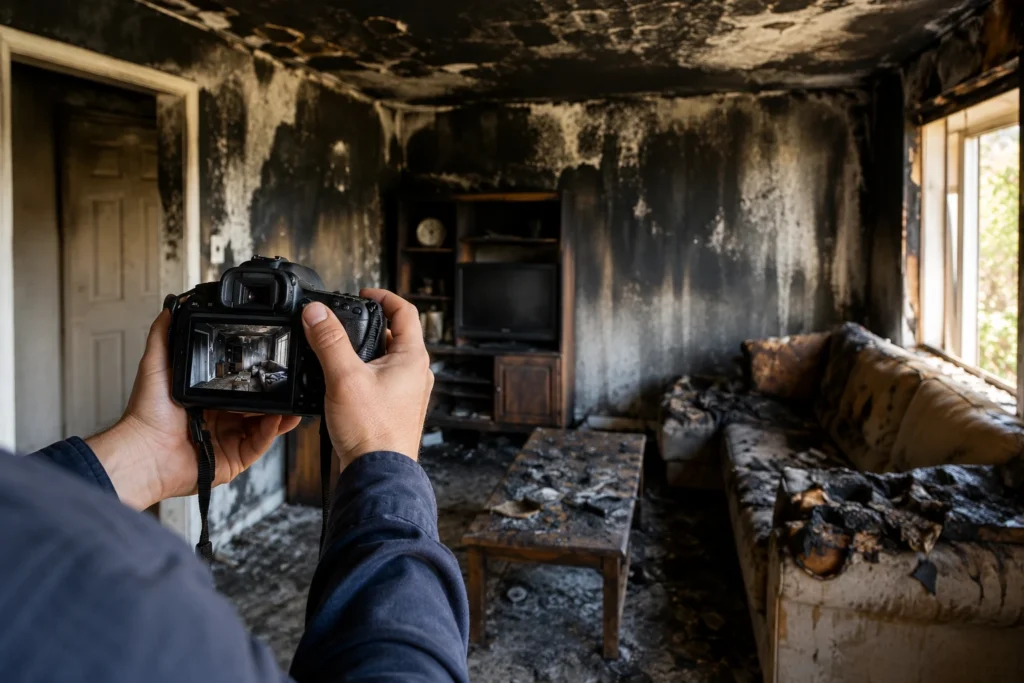
Many property owners are unfamiliar with public adjusters. Their role is straightforward. They represent policyholders rather than insurance companies.
Independent Damage Assessment
Public adjusters conduct detailed evaluations of losses. They often identify damages that might otherwise be overlooked.
Inventory Preparation
Preparing a complete contents inventory can be overwhelming.
Public adjusters frequently assist with:
- Item identification
- Valuation
- Documentation
- Supporting evidence
Policy Interpretation
Insurance policies are lengthy documents. Coverage questions often arise. Public adjusters help homeowners understand applicable provisions and benefits.
Negotiating With Insurance Companies
Documentation only creates value if it is effectively presented. Public adjusters organize evidence and advocate for fair consideration of documented damages. This is often where the long-tail question When to Hire a Public Adjuster becomes relevant. Many homeowners consider professional representation when the damage is extensive, documentation requirements become overwhelming, or settlement disagreements begin to emerge.
Smoke Damage Documentation Checklist
The following checklist can help simplify the process.
Immediate Actions
- Notify the insurance company
- Secure the property
- Photograph damage
- Record video walkthroughs
- Protect against further damage
Evidence Collection
- Room-by-room photos
- Close-up damage photos
- Time-stamped videos
- Personal property inventory
- Ownership documentation
Professional Documentation
- Contractor estimates
- Restoration reports
- Air quality testing
- Smoke remediation evaluations
Claim Management
- Expense tracking
- Communication logs
- Claim journal
- Receipt storage
- Settlement review documentation
A checklist reduces the risk of missing important evidence.
Smoke Damage Claims in Corsicana
Smoke damage can affect homes, businesses, rental properties, and investment properties throughout Corsicana. Although every loss is unique, several causes appear regularly.
Common Causes of Smoke Damage
Property owners frequently experience smoke damage from:
- Kitchen fires
- Electrical malfunctions
- HVAC failures
- Garage fires
- Neighboring structure fires
- Appliance fires
Even relatively small fires can create widespread smoke contamination.
Challenges Faced by Property Owners
Many homeowners are surprised by how extensive smoke damage becomes.
Common challenges include:
- Hidden contamination
- Odor disputes
- HVAC system cleaning disagreements
- Underestimated contents losses
- Incomplete inspections
Because smoke frequently extends beyond visible damage, detailed documentation becomes especially important.
Why Thorough Documentation Matters
Strong claims are rarely built on assumptions. They are built on evidence. Photographs. Videos. Receipts. Expert reports. Inventories. Every piece contributes to the overall claim picture. The more complete the documentation, the easier it becomes to demonstrate the true extent of the loss.
A Scientific Perspective on Smoke Contamination
Smoke behavior is surprisingly complex. During combustion, microscopic particles travel throughout a structure, settle on surfaces, and penetrate porous materials. Understanding this process helps explain why smoke damage can persist long after visible evidence appears to be removed.
For readers interested in the science behind particle movement and material interaction, the concept of Adsorption provides useful background on how smoke particles and odors can attach themselves to surfaces. This scientific reality reinforces an important insurance principle. If contamination exists, it should be documented. If it is documented, it is harder to ignore.
Conclusion
Learning How to Document Smoke Damage for Insurance is one of the most important steps a property owner can take after a fire-related loss. The process begins with safety. Then comes evidence. Photographs establish conditions. Videos provide context. Inventories identify losses. Professional inspections uncover hidden damage. Receipts verify expenses. Claim journals preserve critical details. Together, these elements create a powerful foundation for an insurance claim.
Most importantly, do not rush through the documentation process. Smoke damage often extends far beyond what is visible during an initial walkthrough. Taking the time to thoroughly inspect and document the property can make a significant difference in the outcome of your claim. For homeowners and business owners in Corsicana, careful documentation may be the difference between an incomplete settlement and a claim that fully reflects the true extent of the damage. When evidence is organized, detailed, and supported by professional evaluations, you place yourself in the strongest possible position to pursue a fair recovery under your insurance policy.
FAQs
You should begin documenting smoke damage as soon as the property is declared safe to enter. Early documentation helps preserve critical evidence before cleanup or repairs begin.
Yes. Smoke particles can penetrate walls, insulation, HVAC systems, and personal belongings without leaving obvious visible signs.
It is generally best to document all damage thoroughly before cleaning. Removing evidence too soon can make it harder to prove the extent of the loss.
Take both wide-angle and close-up photographs of every affected area. Include walls, ceilings, furniture, personal belongings, and hidden spaces where smoke may have spread.
In many cases, yes. Persistent smoke odors may indicate contamination that requires professional cleaning or remediation.
Receipts, credit card statements, warranties, user manuals, and family photographs can all help establish ownership and value.
Yes. Smoke residue can corrode internal components and reduce the lifespan or functionality of electronic devices.
An inventory helps ensure all damaged belongings are included in the claim. It also provides supporting information for valuation and reimbursement.
Consider hiring an inspector when damage appears extensive, hidden contamination is suspected, or there is a disagreement about the scope of repairs.
Yes. A public adjuster can assist with documenting damage, preparing inventories, reviewing policy coverage, and negotiating with the insurance company.