
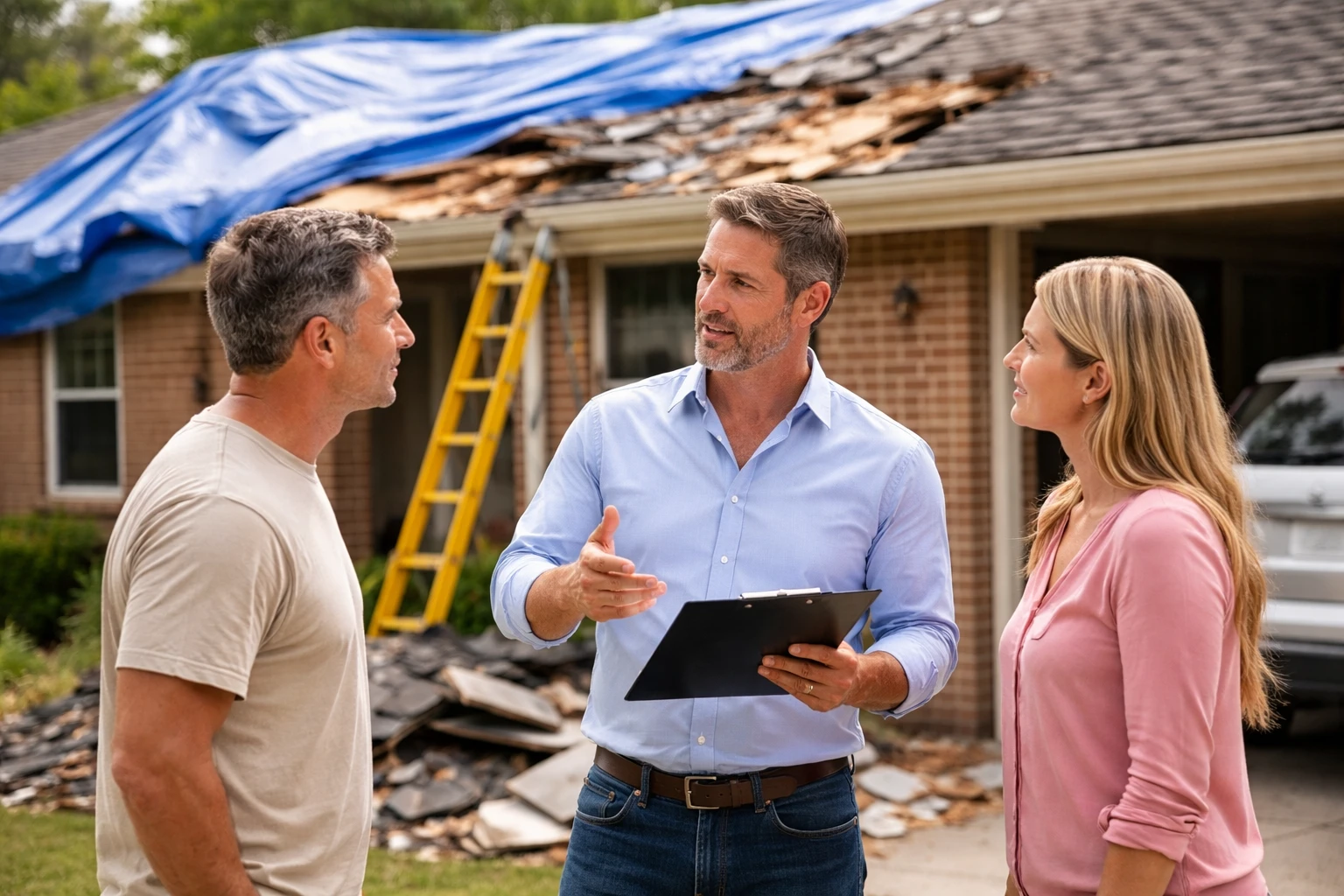
When a home suffers serious damage, confusion follows quickly. Roof leaks. Fire damage. Flooded rooms. Insurance paperwork. Phone calls. Estimates. Deadlines. In that moment, many homeowners start asking the same question: are public adjusters good or bad?
It is a fair question. Opinions about public adjusters vary widely. Some homeowners credit them with helping secure fair insurance settlements. Others feel they are unnecessary or too expensive. The reality sits somewhere in the middle.
Public adjusters are professionals who represent policyholders during insurance claims. They evaluate property damage, review insurance policies, document losses, and negotiate settlements with insurers. Unlike company adjusters, they work for you—not the insurance company.
Still, deciding whether to hire one requires careful thought. In this guide, we will break down the advantages, potential drawbacks, and practical situations where hiring a public adjuster makes sense. If you are wondering are public adjusters good or bad, the answer depends on understanding their role and knowing when their expertise adds real value.
What Is a Public Adjuster?
A public adjuster is a licensed professional who helps property owners handle insurance claims after damage occurs. Their primary job is to advocate for the policyholder.
Insurance companies assign adjusters to evaluate claims. However, those professionals ultimately represent the insurer’s interests. A public adjuster, on the other hand, works directly for the homeowner or business owner.
Their responsibilities often include:
- Inspecting property damage
- Reviewing the insurance policy
- Estimating repair costs
- Documenting losses
- Negotiating with the insurance company
- Managing claim paperwork
In many cases, public adjusters become the central point of contact between the homeowner and the insurance company. That alone can remove a significant burden from property owners already dealing with stressful damage repairs.
Still, homeowners continue asking: are public adjusters good or bad? To answer that properly, we need to understand how they differ from other adjusters involved in claims.
Understanding the Different Types of Insurance Adjusters
Not all adjusters serve the same role. Insurance claims often involve three types of professionals.
Staff Adjusters
Staff adjusters are employees of the insurance company. They investigate claims and determine payouts based on company guidelines.
Their responsibility is to the insurer.
Independent Adjusters
Independent adjusters are contractors hired by insurance companies. They perform inspections and claim evaluations on behalf of insurers.
Although independent, they still represent the insurance company.
Public Adjusters
Public adjusters represent the policyholder. Their goal is to help homeowners receive the compensation they are entitled to under their insurance policy.
This difference explains why the debate around are public adjusters good or bad often arises. They operate on the opposite side of the claim negotiation from the insurer.
Why Many Homeowners Say Public Adjusters Are Good

When claims become complicated, public adjusters can provide significant advantages. Homeowners who have experienced large or complex claims often report positive results.
Let’s look at the most common reasons people see them as beneficial.
They Advocate for the Policyholder
Insurance claims involve negotiation. The insurance company has professionals reviewing the claim from their side.
Without an expert representing the homeowner, the process can feel one-sided.
Public adjusters help level the playing field.
They review coverage details carefully, identify potential gaps in insurance evaluations, and present documentation that supports the policyholder’s claim.
They Understand Insurance Policies
Insurance policies are dense documents. Coverage definitions, exclusions, depreciation, and replacement cost provisions can be difficult to interpret.
A skilled public adjuster understands these details.
They can identify coverage opportunities homeowners might overlook and ensure the claim reflects the full scope of damage.
This expertise is one reason many homeowners conclude public adjusters are good, particularly during large claims.
They Improve Claim Documentation
Insurance companies require detailed documentation before approving payments.
Public adjusters help organize:
- Damage reports
- Repair estimates
- Photographic evidence
- Contractor evaluations
- Inventory of damaged belongings
Thorough documentation can significantly strengthen a claim.
They Reduce Stress
Handling a property damage claim can feel overwhelming. There are inspections, paperwork, contractor estimates, and negotiations to manage.
Public adjusters take on much of that work.
For homeowners juggling repairs, temporary housing, or work obligations, that support can be invaluable.
Why Some People Believe Public Adjusters Are Bad
Despite the benefits, not everyone has positive experiences with public adjusters. Some criticisms are legitimate and worth understanding.
This is why the question are public adjusters good or bad remains common among homeowners.
Fees Reduce the Final Settlement
Most public adjusters work on a contingency fee basis. This means they receive a percentage of the insurance settlement.
Typical fees range from:
| Fee Type | Typical Range |
| Percentage of claim settlement | 10% – 20% |
| Commercial claims | Sometimes negotiable |
For example, if a settlement is $100,000 and the adjuster fee is 15%, the adjuster would receive $15,000.
Some homeowners feel they could have negotiated the claim themselves without paying that fee.
Quality Varies
Like any profession, public adjusters vary in experience and skill.
Some have decades of expertise handling large insurance claims. Others may have limited experience.
Homeowners who hire inexperienced or aggressive adjusters sometimes report negative experiences.
This variability fuels the ongoing debate around are public adjusters good or bad.
They Are Not Always Necessary
Not every claim requires professional assistance.
For small or straightforward claims, insurance companies may process payments quickly and fairly without negotiation.
In those situations, hiring a public adjuster may add unnecessary cost.
Insurance Companies May Scrutinize Claims More Closely
When a public adjuster becomes involved, insurance companies may examine the claim more carefully.
That does not mean the claim is invalid. However, negotiations can sometimes take longer.
Situations Where Public Adjusters Are Often Helpful
Public adjusters tend to provide the most value during complex claims.
If your situation falls into one of the categories below, hiring a public adjuster may be worth considering.
Major Property Damage
Large losses often require extensive documentation and negotiation.
Examples include:
- House fires
- Severe storm damage
- Hurricane destruction
- Major water damage
- Structural damage
These claims can involve large repair costs and multiple coverage categories.
Complex Claims
Certain claims involve complicated calculations such as:
- Business interruption losses
- Multiple insurance policies
- Large inventories of damaged property
- Structural engineering evaluations
Public adjusters often have experience managing these situations.
Claim Disputes
Insurance disputes occur when the insurer:
- Denies the claim
- Offers a settlement lower than repair costs
- Disagrees about the scope of damage
Public adjusters can negotiate with insurers to resolve disagreements.
Limited Time or Experience
Insurance claims require patience and persistence.
Homeowners who lack time to manage documentation, inspections, and negotiations may benefit from professional assistance.
When You May Not Need a Public Adjuster
While public adjusters can be helpful, they are not necessary for every claim.
Here are situations where homeowners may handle claims independently.
Minor Damage
Small claims often involve straightforward repairs.
Examples include:
- Minor roof damage
- Broken windows
- Small water leaks
In these cases, the adjuster fee may outweigh potential benefits.
Clear Insurance Coverage
If the damage is obvious and the insurance company responds quickly, the claim may resolve without complications.
Experience With Insurance Claims
Some homeowners—particularly contractors, real estate professionals, or property investors—already understand the claims process.
They may feel comfortable managing negotiations themselves.
Again, this balance contributes to the ongoing question: are public adjusters good or bad?
How Public Adjusters Are Regulated
Public adjusters operate under state licensing regulations designed to protect consumers.
In most states, adjusters must:
- Pass licensing exams
- Complete continuing education
- Follow ethical guidelines
- Maintain active licenses
Regulations may also require specific contract disclosures and limit certain sales practices.
These rules exist to protect homeowners from unethical practices.
Understanding how adjusters operate can help homeowners evaluate professional assistance more confidently.
How to Identify a Trustworthy Public Adjuster
Not all public adjusters provide the same level of service. Choosing carefully is essential.
Here are practical steps to follow.
Verify Licensing
Always confirm the adjuster is licensed in your state.
State insurance departments typically provide online license verification tools.
Review Experience
Ask how long the adjuster has been working in the industry.
Important questions include:
- What types of claims do they specialize in?
- How many claims have they handled?
- Do they have experience with similar property damage?
Read Reviews and References
Look for consistent feedback from previous clients.
Positive indicators include:
- Clear communication
- Transparent fees
- Successful claim outcomes
Understand the Contract
Before signing anything, review the contract carefully.
Key details should include:
- Fee percentage
- Services provided
- Cancellation terms
- Payment timing
Avoid professionals who pressure you to sign quickly.
Pros and Cons of Hiring a Public Adjuster
Here is a simple comparison of advantages and drawbacks.
| Pros | Cons |
| Advocates for the homeowner | Fees reduce total settlement |
| Helps document complex claims | Not always necessary |
| Handles negotiations with insurers | Experience levels vary |
| Can reduce homeowner stress | Claims may take longer |
This balanced view helps answer the question are public adjusters good or bad with a more realistic perspective.
Questions to Ask Before Hiring One

Before hiring a public adjuster, take time to ask thoughtful questions.
Consider asking:
- Are you licensed in this state?
- What percentage do you charge?
- What types of claims do you specialize in?
- Can you provide references?
- How long does the typical claim process take?
Clear answers to these questions can help avoid misunderstandings later.
Tips for Working Effectively With a Public Adjuster
If you decide to hire a public adjuster, cooperation is key.
Follow these practical steps.
Document Damage Immediately
Take photos and videos of all damaged areas.
Include:
- Structural damage
- Water intrusion
- Broken appliances
- Personal property losses
Keep Records Organized
Maintain copies of:
- Insurance policies
- Repair estimates
- Contractor invoices
- Claim correspondence
Stay Involved in the Process
Even if the adjuster manages negotiations, remain informed about claim progress.
Ask for regular updates.
The Real Answer: Are Public Adjusters Good or Bad?
After examining both sides, the answer becomes clearer.
The truth is simple.
Public adjusters are neither inherently good nor bad.
Their value depends on:
- The adjuster’s professionalism
- The complexity of the claim
- The homeowner’s experience level
For major losses and complex disputes, a skilled public adjuster can be a powerful advocate.
For minor claims, homeowners may handle the process independently.
The key is choosing carefully and understanding the role these professionals play.
Final Thoughts
Property damage creates stress. Insurance claims add another layer of complexity.
That is why homeowners frequently ask are public adjusters good or bad before deciding whether to hire one.
The answer depends on the situation.
A knowledgeable and ethical public adjuster can help homeowners navigate complex insurance policies, organize claim documentation, and negotiate fair settlements. However, hiring the wrong professional—or hiring one for a simple claim—may provide little benefit.
Research thoroughly. Ask questions. Verify credentials.
When chosen carefully, a public adjuster can become a valuable ally during one of the most difficult moments a homeowner may face.
FAQs
Public adjusters can be helpful for complex claims because they represent the policyholder, but they may not be necessary for smaller or straightforward claims.
A public adjuster evaluates property damage, reviews your insurance policy, documents losses, and negotiates with the insurance company on your behalf.
Most public adjusters work on a contingency basis and typically charge a percentage of the final insurance settlement.
Hiring a public adjuster may be worthwhile if your claim involves major damage, complicated coverage issues, or disputes with the insurance company.
In many cases they can, because they carefully document damage and negotiate with insurers to ensure the claim reflects the full extent of losses.
Yes, in most states public adjusters must be licensed and regulated by the state’s insurance department.
Yes, homeowners can file and manage their own insurance claims directly with the insurance company.
Fees typically range between 10% and 20% of the insurance settlement, though the exact amount varies by adjuster and state regulations.
Homeowners often consider hiring one after major damage such as fires, severe storms, or when an insurance claim has been denied or underpaid.
Verify their license, review experience and client feedback, and carefully read the contract before signing any agreement.