
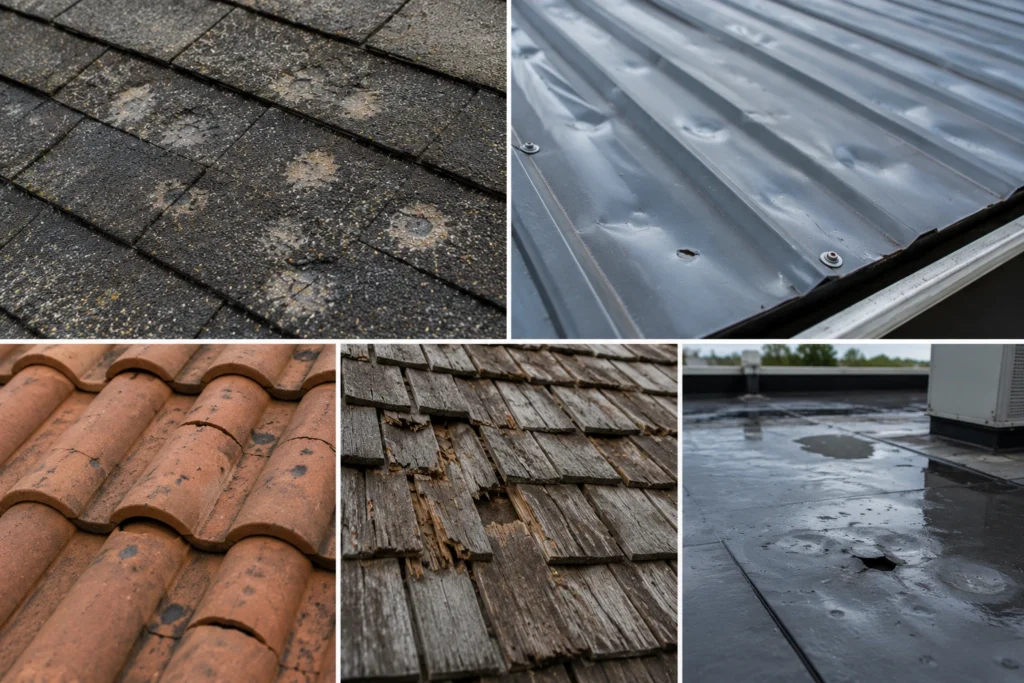
Storms arrive fast. One moment the sky is clear. The next, hail is pounding your roof, denting gutters, cracking shingles, and leaving you wondering how much damage occurred overhead. Unfortunately, many homeowners underestimate the seriousness of roof impacts until water stains appear indoors months later. That’s why understanding the heavy hail roof damage claim process is critical if you want to protect your home and maximize your insurance recovery.
Property owners face unique challenges after severe storms. While single-family homes often receive immediate attention, larger properties can experience even more extensive losses. In fact, Apartment Complex Hail Damage Claims frequently involve multiple buildings, shared roofing systems, and substantial repair costs that require detailed documentation and careful negotiations with insurance carriers. The reality is simple. A damaged roof can quickly become one of the most expensive issues a homeowner ever faces.
Yet many insurance claims are delayed, underpaid, or denied because property owners miss important steps early in the process. Documentation gets overlooked. Inspections are rushed. Evidence disappears. Before long, what should have been a straightforward claim becomes a frustrating battle. The good news? Most of these problems are avoidable. This guide explains exactly how a heavy hail roof damage claim works, what evidence strengthens your case, and what actions can help homeowners recover the compensation needed to restore their property properly.
Understanding Heavy Hail Roof Damage
Not all hailstorms create the same level of destruction. Size matters. Speed matters. Duration matters. Even roofing material matters. A storm producing golf-ball-sized hail may damage one neighborhood severely while causing minimal impacts in another area depending on wind direction, roof age, and construction materials.
What Qualifies as Heavy Hail?
Meteorologists generally classify hail based on diameter.
| Hail Size | Comparable Object |
| 0.25 inch | Pea |
| 0.75 inch | Penny |
| 1 inch | Quarter |
| 1.5 inches | Ping Pong Ball |
| 1.75 inches | Golf Ball |
| 2.5 inches | Tennis Ball |
| 4 inches+ | Softball |
As hailstones increase in size, their destructive potential rises dramatically. A golf-ball-sized hailstone can strike a roof with tremendous force. Larger stones can fracture shingles, damage flashing, dent metal roofing, and compromise waterproof barriers beneath the surface. The challenge is that much of this damage may not be obvious from the ground.
How Hail Damages Different Roofing Materials
Every roofing system responds differently during a storm.
Asphalt Shingles
These remain the most common residential roofing material in America.
Heavy hail impacts can cause:
- Granule loss
- Surface bruising
- Cracking
- Punctures
- Accelerated aging
Granule loss may seem minor initially. However, those granules protect shingles from ultraviolet exposure. Once removed, deterioration often accelerates.
Metal Roofs
Metal roofs are durable, but they are not immune.
Common hail-related issues include:
- Cosmetic denting
- Coating damage
- Fastener stress
- Panel deformation
Tile Roofs
Tile systems can crack under severe impacts. Unfortunately, broken tiles often allow moisture penetration long before homeowners notice interior symptoms.
Wood Shake Roofs
Wood shakes may split or fracture under heavy hail strikes, creating openings that permit future water intrusion.
Flat Roof Systems
Commercial and low-slope roofs frequently experience:
- Membrane punctures
- Seam separation
- Drainage issues
- Hidden moisture infiltration
These problems may remain concealed for extended periods.
Hidden Damage Homeowners Often Miss
One of the biggest mistakes after a storm is assuming that visible damage tells the whole story. It rarely does. Professional inspectors routinely discover hidden issues that homeowners never notice.
These include:
Shingle Bruising
Bruising occurs when hail impacts weaken the mat beneath a shingle’s surface. From ground level, the roof may appear fine. Up close, however, the structural integrity may be compromised.
Granule Loss
Granules protect roofing materials from weather and UV exposure. When hail removes them, the roof becomes increasingly vulnerable.
Flashing Damage
Roof flashing around chimneys, vents, skylights, and valleys often suffers impacts that eventually lead to leaks.
Damaged Ventilation Components
Roof vents, ridge vents, turbine vents, and exhaust systems frequently show some of the earliest evidence of hail activity.
Moisture Intrusion
Small openings can allow water infiltration long before stains appear indoors. By the time visible leaks emerge, substantial damage may already exist.
Why Hail Damage Claims Are So Common
Insurance carriers process billions of dollars in storm-related losses every year. Hail remains one of the leading causes. Several factors contribute to the growing number of claims.
More Severe Weather Events
Many regions are experiencing larger hail events and more frequent severe storms. As a result, claim volumes continue increasing.
Higher Construction Costs
Roofing materials cost significantly more today than they did just a few years ago. Labor expenses have also risen. Consequently, claim values continue climbing.
Aging Housing Stock
Older roofs generally experience more severe storm impacts. Many properties enter storms already carrying years of wear and weather exposure.
Immediate Steps to Take After a Hailstorm
What you do during the first few days can influence the outcome of your heavy hail roof damage claim. That sounds dramatic. But it is true. Let’s break down the priorities.
Prioritize Safety
Never climb onto a damaged roof immediately after a storm.
Instead:
- Stay clear of downed power lines
- Watch for loose debris
- Avoid slippery surfaces
- Inspect from ground level initially
Your safety comes first. Always.
Document Everything
Documentation is the foundation of a successful claim.
Take photographs of:
- Roof surfaces visible from the ground
- Gutters
- Downspouts
- Siding
- Windows
- Air conditioning units
- Fences
- Outdoor furniture
Capture wide-angle photos and close-ups. Date-stamped evidence can become extremely valuable later.
Prevent Additional Damage
Insurance policies generally require homeowners to mitigate further losses.
Temporary protective measures may include:
- Roof tarping
- Water removal
- Temporary sealing
- Emergency repairs
Keep every receipt. Those expenses may be reimbursable.
Signs You May Have a Valid Heavy Hail Roof Damage Claim
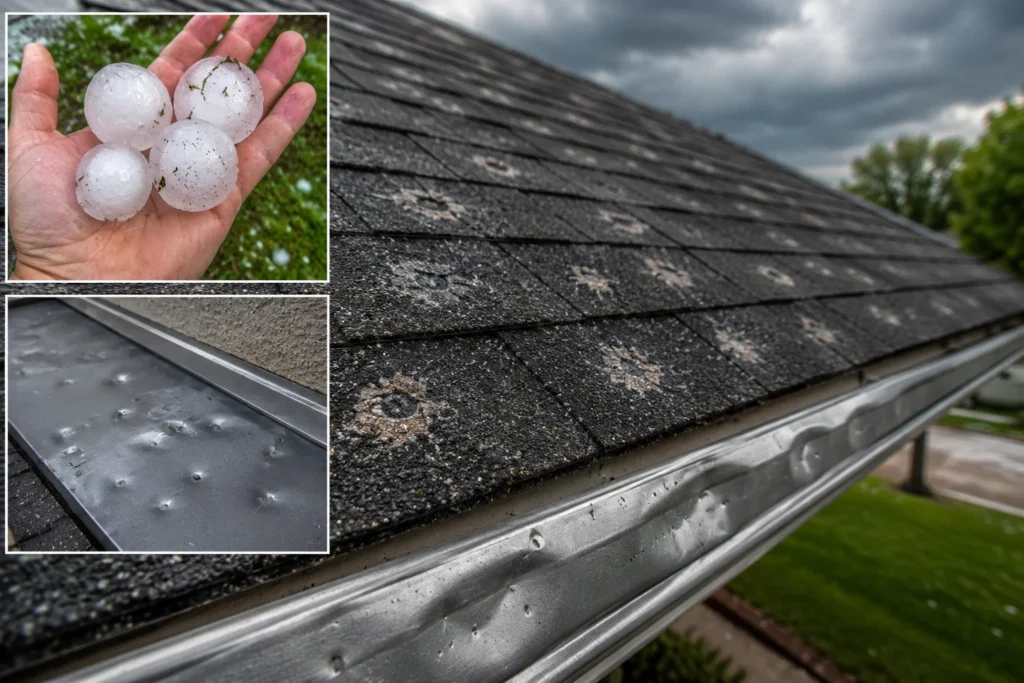
Some indicators are easier to identify than others. Look for patterns rather than isolated damage.
Exterior Indicators
Common warning signs include:
- Dented gutters
- Damaged downspouts
- Impact marks on siding
- Broken window screens
- Dented garage doors
When these items show hail impacts, roof damage often exists as well.
Roof-Specific Indicators
Property owners may notice:
- Missing shingles
- Exposed fiberglass matting
- Cracked shingles
- Circular impact marks
- Loose roofing components
Professional inspection remains the best way to verify the full extent of damage.
Interior Indicators
Inside the home, watch for:
- Ceiling stains
- Attic moisture
- Dripping water
- Mold development
- Peeling paint
These symptoms may indicate roof-related water intrusion.
Understanding Your Insurance Coverage
Many homeowners discover they don’t fully understand their policy until disaster strikes. That is normal. Insurance policies can be complex. Interestingly, complexity appears in many fields beyond insurance. For example, the scientific concept of stochastic process involves systems that change unpredictably over time. Insurance claims often feel similar because outcomes can vary depending on documentation, policy language, inspections, and negotiations. Understanding your policy before problems arise can reduce uncertainty significantly.
What Most Policies Cover
Many homeowner policies include coverage for:
- Hail damage
- Wind damage
- Resulting water intrusion
- Structural repairs
- Related property damage
Coverage details vary by policy. Always verify your specific language.
Common Limitations
Many policies contain:
| Limitation | Impact |
| Deductibles | Out-of-pocket costs |
| Cosmetic exclusions | Certain damage may not qualify |
| Roof age restrictions | Reduced coverage on older roofs |
| Actual cash value provisions | Depreciation may reduce payment |
These details can significantly affect claim outcomes.
Replacement Cost Value vs Actual Cash Value
This distinction matters. A lot.
Replacement Cost Value (RCV)
RCV coverage generally pays the amount required to replace damaged materials with comparable products. This often provides greater financial protection.
Actual Cash Value (ACV)
ACV policies factor depreciation into the payment calculation. As roofs age, depreciation increases. Consequently, homeowners may receive substantially less money under ACV coverage compared to RCV coverage. Before filing a heavy hail roof damage claim, determine which valuation method applies to your policy. The difference could represent thousands of dollars.
The Heavy Hail Roof Damage Claim Process Step by Step
The strongest claims follow a clear process. Not a rushed one. Not a reactive one. A strategic one.
Step 1: Schedule a Professional Inspection
Independent inspections often uncover damage overlooked during preliminary reviews.
Professional inspectors document:
- Impact locations
- Material damage
- Repair requirements
- Replacement recommendations
Their findings may become critical evidence.
Step 2: Review Your Insurance Policy
Before filing, understand:
- Coverage limits
- Deductibles
- Filing deadlines
- Exclusions
Knowledge prevents surprises.
Step 3: File the Claim Promptly
Timely reporting strengthens credibility. Waiting months can create complications. Some insurers may argue damage resulted from later events rather than the reported hailstorm. Prompt reporting helps avoid those disputes.
Step 4: Meet With the Insurance Adjuster
Once your claim is opened, the insurance company will typically assign an adjuster to inspect the property. This meeting matters. A lot. The adjuster’s findings often influence the initial settlement offer, so preparation is essential.
Before the inspection:
- Organize photographs and videos
- Gather contractor reports
- Create a timeline of storm events
- Keep repair receipts available
- Document any interior damage
The goal is not confrontation. The goal is accuracy. A well-documented property inspection helps ensure all damage receives proper consideration.
Questions Worth Asking
During the inspection, consider asking:
| Question | Why It Matters |
| What damage has been identified? | Helps clarify findings |
| Will additional inspections be needed? | Reveals possible next steps |
| Are there concerns about coverage? | Identifies potential disputes early |
| What is the expected timeline? | Helps manage expectations |
| Will photographs be included in the file? | Supports documentation efforts |
Clear communication often reduces misunderstandings later.
Step 5: Review the Insurance Estimate Carefully
Many homeowners receive an estimate and immediately focus on one number. The settlement amount. However, the details inside the estimate are often more important.
Review every line item carefully.
Look for:
- Missing roof sections
- Incomplete measurements
- Omitted accessories
- Underestimated labor costs
- Missing code-required upgrades
Even small omissions can add up quickly. For example, a roof replacement estimate may include shingles but overlook flashing replacement, ridge caps, ventilation upgrades, or disposal costs. Those costs eventually become real expenses. The estimate should reflect the actual scope of restoration. Nothing less.
Step 6: Complete Repairs and Preserve Documentation
Once settlement issues are resolved, repairs can move forward. Choose contractors carefully. Lowest price does not always equal best value.
Look for:
- Proper licensing
- Insurance coverage
- Local experience
- Strong references
- Written contracts
Keep all project records.
These include:
- Contracts
- Invoices
- Photographs
- Inspection reports
- Material receipts
Many policies include recoverable depreciation, meaning additional funds may become available after repairs are completed and documented. Without paperwork, recovering those funds becomes more difficult.
Common Reasons Heavy Hail Roof Damage Claims Are Denied
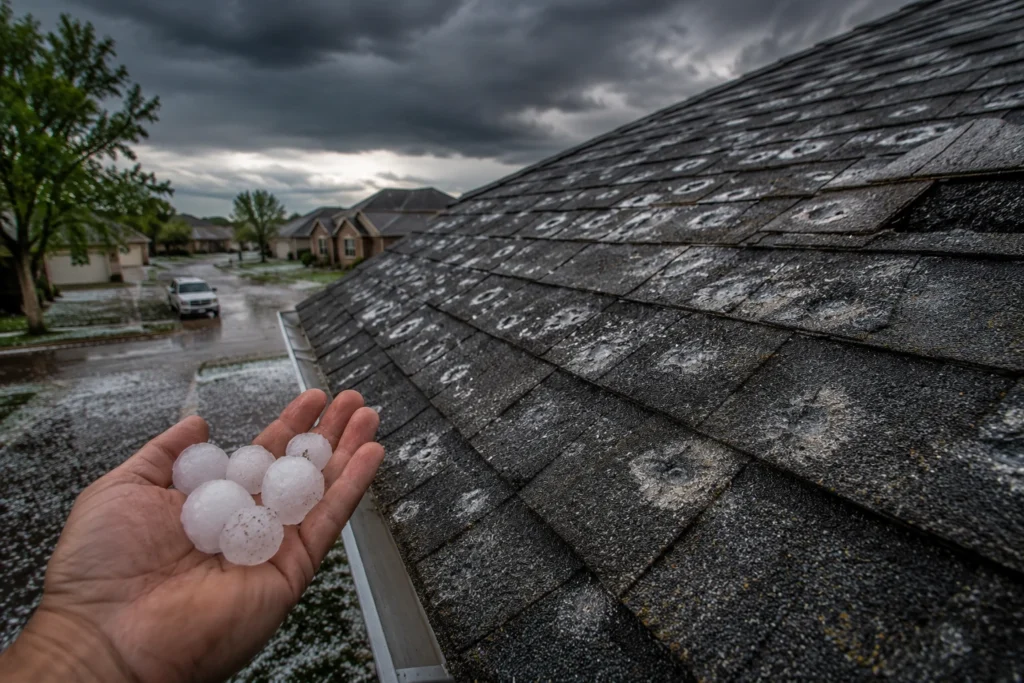
A denied claim can feel overwhelming. However, understanding the reasons behind denials helps homeowners avoid many common pitfalls.
Insufficient Documentation
Insurance decisions rely heavily on evidence. Weak documentation often weakens claims.
Helpful evidence includes:
- Date-stamped photographs
- Professional inspection reports
- Contractor assessments
- Weather records
- Repair estimates
The stronger the documentation, the stronger the position.
Delayed Reporting
Time matters. The longer damage goes unreported, the more questions arise.
Insurance companies may argue:
- Damage occurred later
- Other events caused deterioration
- Maintenance issues contributed to losses
Prompt reporting helps establish a clear connection between the storm and the damage.
Wear and Tear Determinations
One of the most common disputes involves roof age. Insurance companies sometimes argue that deterioration resulted from aging rather than hail. This is where detailed inspections become valuable. A professional assessment can help distinguish storm impacts from ordinary wear.
Policy Exclusions
Every policy contains exclusions. Understanding them early helps prevent surprises later.
Examples may include:
- Cosmetic damage limitations
- Existing damage exclusions
- Maintenance-related issues
- Certain roof material restrictions
Reviewing policy language carefully can reveal potential challenges before they become obstacles.
What to Do If Your Claim Is Underpaid or Denied
An unfavorable decision does not necessarily mean the process is over. Far from it. Many claims are successfully revisited when additional evidence becomes available.
Request a Reinspection
New information may justify another review.
Additional inspections often reveal:
- Previously overlooked impacts
- Hidden structural issues
- Additional roof damage
- Interior water intrusion
More evidence frequently leads to better outcomes.
Submit Supplemental Documentation
A supplemental claim provides additional support after the original claim has been reviewed.
Useful supporting materials may include:
- Updated contractor reports
- Engineering evaluations
- Additional photographs
- Material pricing documentation
- Revised repair estimates
The goal is simple. Present a complete picture of the loss.
Obtain Independent Expert Opinions
Independent professionals can provide valuable insight.
Examples include:
- Roofing contractors
- Engineers
- Building consultants
- Public adjusters
Objective evaluations often strengthen negotiations.
How a Public Adjuster Helps With Hail Damage Claims
Insurance companies employ adjusters. Homeowners can hire public adjusters. The difference is important. Insurance company adjusters work for the carrier. Public adjusters represent policyholders. Their role focuses on documenting losses, interpreting policy language, and negotiating settlements on behalf of property owners.
What a Public Adjuster Does
Responsibilities often include:
- Reviewing policy coverage
- Documenting damages
- Preparing estimates
- Managing claim communications
- Negotiating settlements
This support can be particularly valuable during large or complex claims.
Benefits During Complex Roof Claims
A significant heavy hail roof damage claim may involve:
- Multiple roofing systems
- Interior damage
- Code upgrades
- Supplemental requests
- Coverage disputes
Managing these issues requires time and expertise. Many homeowners appreciate having professional guidance during the process.
Negotiation Support
Negotiations frequently focus on:
- Scope of repairs
- Replacement requirements
- Material pricing
- Labor costs
- Building code compliance
Accurate documentation remains the foundation of successful negotiations.
Heavy Hail Roof Damage Claim Mistakes to Avoid
Even strong claims can encounter problems when avoidable mistakes occur. Fortunately, most are preventable.
Waiting Too Long to Report Damage
This remains one of the most common mistakes. The sooner damage is reported, the easier it becomes to establish causation. Delays often create unnecessary complications.
Making Permanent Repairs Too Soon
Emergency mitigation is often necessary. Permanent repairs should generally wait until documentation is complete. Otherwise, critical evidence may disappear.
Throwing Away Damaged Materials
Damaged roofing components can serve as valuable evidence.
Examples include:
- Broken shingles
- Damaged flashing
- Impacted vents
- Roofing accessories
Preserve materials whenever practical.
Accepting the First Settlement Without Review
Initial estimates are not always complete. Carefully compare the insurance estimate against contractor findings before making decisions.
Poor Record Keeping
Organization matters.
Create a dedicated claim file containing:
- Photos
- Emails
- Estimates
- Receipts
- Inspection reports
Good records simplify every stage of the process.
Understanding Roof Repair vs Roof Replacement Decisions
One of the biggest questions after a storm is whether repairs are sufficient. The answer depends on the damage.
When Repairs May Be Appropriate
Repairs may be suitable when:
- Damage is isolated
- Materials remain available
- Structural integrity remains intact
- Repair costs are reasonable
In these situations, targeted repairs can restore functionality effectively.
When Full Replacement Becomes Necessary
Replacement may become the better solution when:
- Damage is widespread
- Multiple roof slopes are affected
- Matching materials cannot be obtained
- Structural concerns exist
- Repair costs approach replacement costs
Every property requires an individualized assessment. No two claims are exactly alike.
Building Code Considerations
Local building codes sometimes require upgrades during roof replacement projects.
Examples may include:
- Enhanced underlayment
- Ventilation improvements
- Flashing upgrades
- Fastener requirements
These costs should be considered during claim evaluation.
Why Local Expertise Matters in Corsicana
Storm damage claims are never purely about paperwork. They are also about local conditions. Weather patterns, construction methods, contractor availability, and regional regulations all influence outcomes. Homeowners in Corsicana understand that severe storms can arrive with little warning and leave extensive property damage behind. Local experience often helps identify issues that outsiders may overlook.
For example:
- Regional roofing materials
- Local contractor pricing
- Common storm patterns
- Area-specific building practices
These details matter when evaluating a heavy hail roof damage claim. Property owners in Corsicana frequently benefit from working with professionals familiar with local conditions and insurance claim challenges. Knowledge of the area can streamline inspections, improve documentation, and support more accurate repair estimates. When major storms strike Corsicana, quick action combined with local expertise often produces stronger claim outcomes.
The Financial Impact of Acting Quickly
Many homeowners focus solely on repair costs. That makes sense. However, delayed action often creates additional expenses that are far more difficult to recover.
Consider the potential consequences of waiting:
| Potential Issue | Possible Cost Impact |
| Water intrusion | Interior repairs |
| Mold development | Remediation expenses |
| Structural deterioration | Increased repair scope |
| Insulation damage | Reduced energy efficiency |
| Ceiling damage | Additional restoration costs |
Small roof impacts rarely stay small forever. Addressing damage early often protects both the property and the claim.
Building the Strongest Possible Heavy Hail Roof Damage Claim
Success rarely comes from luck. It comes from preparation. The strongest claims typically share several characteristics.
Thorough Documentation
Comprehensive documentation creates credibility.
Professional Inspections
Independent evaluations provide objective evidence.
Prompt Reporting
Timely reporting helps establish causation.
Organized Records
Well-maintained files simplify negotiations.
Persistence
Some claims require additional reviews and supplemental submissions before reaching a fair resolution. Patience and preparation often go hand in hand.
Conclusion
A severe hailstorm can leave behind far more than visible dents and cracked shingles. It can create financial stress, uncertainty, and difficult decisions about repairs, insurance coverage, and property protection. Fortunately, homeowners are not powerless. Understanding the heavy hail roof damage claim process allows you to act confidently, document losses effectively, and protect your rights throughout the claim journey. From photographing damage and scheduling inspections to reviewing estimates and negotiating settlements, every step plays an important role in the final outcome.
The most successful claims are rarely the result of chance. Instead, they are built on strong evidence, careful planning, prompt action, and attention to detail. Whether the damage appears obvious or hidden beneath the surface, taking a proactive approach can make a significant difference. A properly documented heavy hail roof damage claim not only improves the likelihood of a fair settlement but also helps ensure your property is restored correctly and your investment remains protected for years to come.
FAQs
Most insurance policies require claims to be reported within a specific timeframe, so review your policy and report damage as soon as possible.
Many homeowners insurance policies cover hail damage, but coverage limits, deductibles, and exclusions can vary significantly.
Common signs include dented gutters, missing granules, cracked shingles, bruising, and water stains inside the home.
Yes. A professional inspection can identify hidden damage and provide documentation that strengthens your claim.
Repairs address localized damage, while replacement involves installing a new roof when damage is widespread or repairs are no longer practical.
Yes. Hail can weaken roofing materials and create small openings that allow water intrusion long after the storm has passed.
You may request a reinspection, provide additional evidence, obtain independent evaluations, or pursue the appeals process available under your policy.
Claim impacts vary by insurer and location, but weather-related claims generally affect policies differently than claims caused by negligence.
Save photographs, inspection reports, repair estimates, receipts, emails, and any correspondence related to the claim.
A public adjuster may be helpful if your claim is complex, underpaid, denied, or involves significant roof damage requiring extensive documentation.